

The color and density of the lens are visible, but they are not the only decision points. Slatter classifies cataracts as incipient, immature, mature, and hypermature, and links these stages to visual deficit, lens-induced uveitis, and surgical timing. Mature cataracts obscure fundus examination; hypermature cataracts may involve lens protein leakage and more inflammation.[2]
Why assess diabetic dogs early?
Diabetic cataracts can progress rapidly. Sorbitol accumulation changes lens osmotic balance, drawing water into the lens and producing vacuoles, swelling, and quick opacity. Intumescent cataracts may shallow the anterior chamber, push the iris forward, narrow the angle, and increase glaucoma risk. Waiting for complete maturity is not always appropriate in these patients.[2]
What risks should be checked first?
A practical checklist includes pressure stability, aqueous flare, miosis, ciliary injection, posterior synechiae, corneal clarity, tear film, fundus visibility, need for ultrasonography or ERG, anesthetic suitability, and owner capacity for frequent medication. Any abnormality can change surgical timing and the IOL plan.[1,2,6]
When is ERG useful?
When cataract blocks the fundus, the clinician should not rely only on pupil reflexes to predict retinal function. Maehara and colleagues showed that cataract stage, LIU, and cataract removal affect ERG findings in dogs. In mature, hypermature, diabetic, or inflammatory cases, ERG helps avoid mistaking posterior segment dysfunction for simple lens opacity.[6]
What should owners know before surgery?
Consent should cover three points: the goal is functional vision, IOL implantation reduces the refractive deficit of aphakia, and final implantation depends on capsular support, posterior capsule status, zonules, and inflammation. Explaining this before surgery is better than explaining after surgery why an implant was not placed.
What is the difference between mature and hypermature cataract?
A mature cataract is usually completely opaque and prevents direct fundus examination. A hypermature cataract may involve lens protein degradation, capsule wrinkling, lens volume change, and more LIU. Some young dogs may show partial lens resorption, but inflammation still requires active control. For surgery, hypermaturity is not just more whiteness; it changes capsular and inflammatory risk.
When should surgery not be rushed?
Surgery should not be scheduled immediately if pressure is uncontrolled, corneal edema is severe, anterior chamber inflammation is active, anesthetic risk is unresolved, the owner cannot provide postoperative care, or posterior segment prognosis is unclear. Stabilizing the eye and patient first often serves the long-term outcome better than rushing to operate.
What should be included in the referral note?
A useful referral includes when the cataract was first noticed, progression speed, diabetic control, recent pressure readings, red eye or pain history, medications used, whether the fundus can be seen, and owner aftercare capacity. This reduces repeated questioning and helps the ophthalmologist judge the surgical window.
Related product note
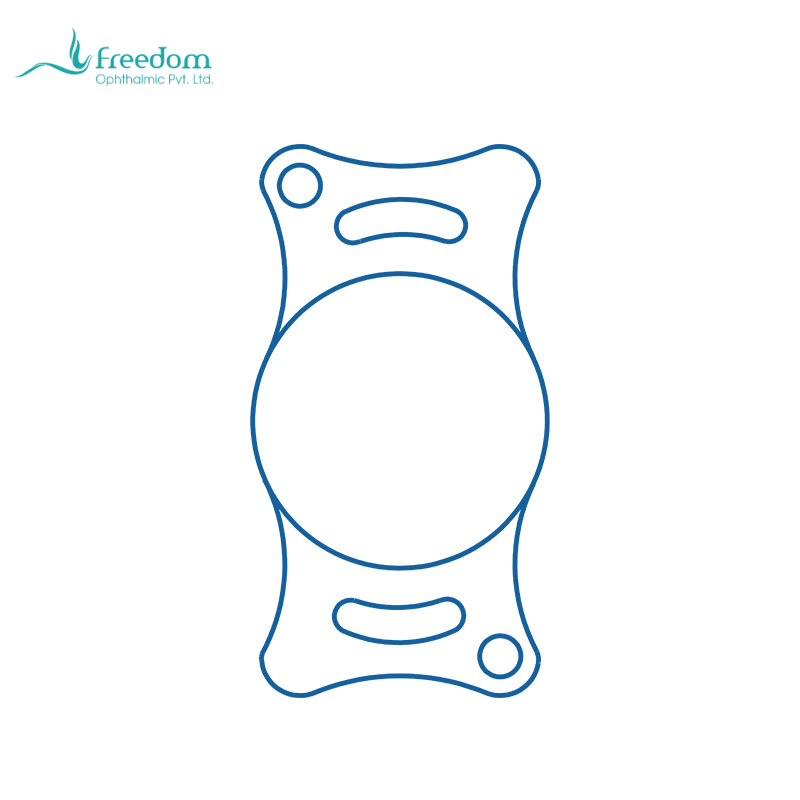
The BeneMount canine IOL is described as hydrophilic acrylic, aspheric, and foldable, with 6.00/6.50 mm optic options, 11.00-15.00 mm overall lengths, and +41.00D power. It can be one implant option for canine cataract cases, but it does not change the preoperative assessment principles.[10]