cPLR and ERG provide different kinds of information: cPLR assesses a pupil response to colored light, while electroretinography records the retina’s electrical response. A purchasing decision should begin with the clinical question and the team’s capabilities. These instruments should not be treated as interchangeable simply because both appear in a retinal assessment workflow.
cPLR vs ERG at a glance
| Planning question | cPLR | ERG |
|---|---|---|
| What is observed or recorded? | Pupil response to defined light stimuli | Electrical response of the retina to stimulation |
| What should the buyer verify? | Stimulus specifications, protocol, and observation method | Recording system, compatible accessories, and examination protocol |
| What training is needed? | Consistent testing and clinical interpretation | Correct recording technique and waveform interpretation |
| What determines selection? | Clinical purpose, staffing, case mix, and referral arrangements | |
What does the research tell buyers?
A 2013 canine study evaluated cPLR alongside electroretinography in patients with cataracts, retinal abnormalities, and optic neuritis. Its findings concern those patients and testing methods; they are not a validation claim for every commercial detector. See the original study.
For equipment planning, the useful lesson is to ask what information the clinician needs before selecting a device. A portable instrument may be convenient, but convenience does not establish that it can replace a different diagnostic modality.
Start with three workflow questions
1. Who will interpret the findings?
Identify the clinical lead and the training needed for the chosen system. A device demonstration should include documentation and reporting, not just switching the unit on. Ask how new staff will learn the clinic’s agreed process.
2. Which cases will remain in-house?
Discuss the intended service with your referral partner. A general practice may want a clear pathway for gathering observations and arranging further assessment. A referral center may have a more extensive equipment and staffing requirement. The same purchase list will not suit every setting.
3. What is included in the full cost?
Compare quotations on a common basis: instrument, accessories, training, shipping, service, and any recurring items. Request written confirmation of what is supplied and what must be purchased separately. Avoid estimating savings from the headline equipment price alone.
How to compare supplier proposals
Create a short acceptance checklist before requesting prices. Specify required documentation, service contact, delivery destination, and any demonstration requirements. Ask each supplier to address the same points so that the comparison remains useful when models or package configurations differ.
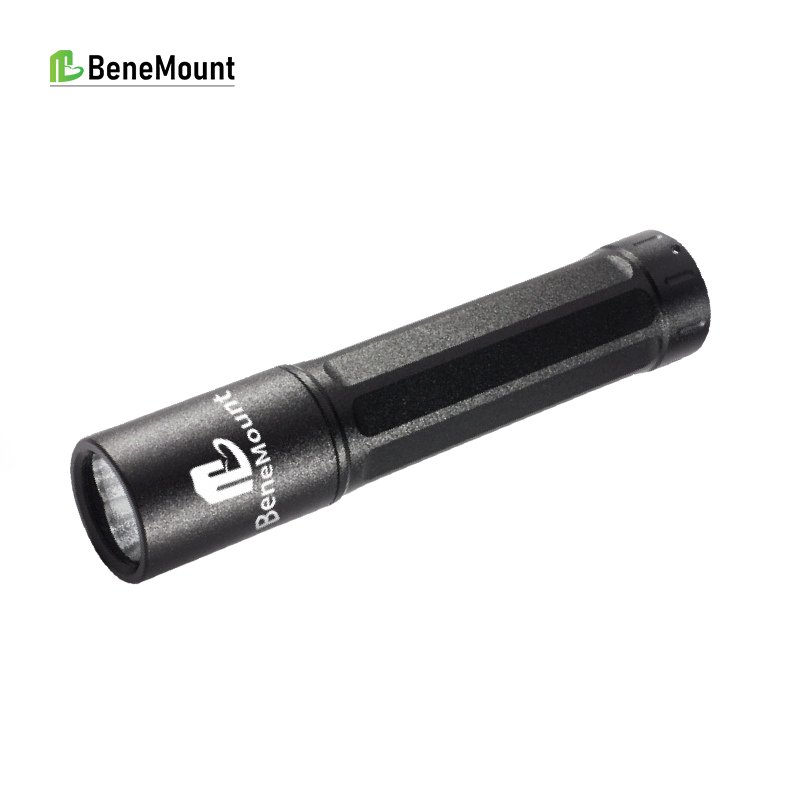
Wise Vision International lists the BeneMount cPLR detector and an ERG/cPLR equipment category. Use the product information as the starting point for a tailored quotation, with your clinical lead deciding which examination capabilities are needed.
Frequently asked questions
Does buying a cPLR detector remove the need for ERG?
Do not plan on that assumption. The required investigations depend on the patient and the veterinarian’s assessment.
Which instrument should a clinic buy first?
Base the decision on the intended service, available expertise, and referral access. A supplier can clarify equipment specifications; the clinical team should define the diagnostic requirement.
Request an equipment quotation with your intended workflow and package requirements.
Related cPLR reading
- Chromatic Pupillary Light Reflex in Dogs: A cPLR Guide
- Red vs Blue Light in Veterinary cPLR Testing
- cPLR in Canine Cataract Assessment: A Clinic Guide
- Veterinary cPLR Detector Buying Guide for Importers
Prepared by Wise Vision International for veterinary equipment education and procurement. Clinical interpretation belongs to the treating veterinarian. Product information checked September 16, 2026.