cPLR can contribute to canine cataract assessment, but a pupil response is not surgical clearance or a guarantee of postoperative vision. Clinics evaluating a red-blue pupil reflex detector should define how its findings will be documented and reviewed within the ophthalmologist’s examination plan.
Why is cPLR discussed in cataract assessment?
A 2013 study examined chromatic pupil responses and ERG findings in dogs with cataracts and differing retinal status, as well as dogs with optic neuritis. The work supports considering cPLR findings within a broader clinical evaluation. It does not establish that a handheld detector alone can determine suitability for surgery. Read the published study abstract.
Build a clear handover record
For a clinic referring a cataract patient, a structured record can be more helpful than an isolated label such as “normal.” Agree the required information with the receiving clinician before introducing a new test into the referral process.
- Patient context: reason for presentation, reported changes, and relevant history.
- Examination context: which eye was tested and any limitations encountered.
- Device context: instrument model, settings, and protocol used.
- Observation: the response actually seen, kept separate from interpretation.
- Next step: the clinician’s plan for further assessment or referral.
Keep clinical records in the clinic’s approved system. Supplier inquiries only need equipment and workflow requirements; patient-identifying information is not necessary for a routine purchasing discussion.
Questions for the ophthalmology lead
Before ordering a cPLR detector for a cataract service, discuss where it belongs in the examination sequence, which staff may perform the assessment, and how uncertain observations should be handled. The clinical lead should also determine which additional tests are appropriate for individual cases.
For demonstration purposes, request an explanation of the controls and the current manual. Avoid adopting a universal cutoff or a diagnosis table copied from a different instrument’s materials. The protocol must match the equipment and the clinical purpose.
Preparing the equipment request
Describe whether the detector is intended for a general practice examination room, a referral service, or a teaching setting. Ask about handling, storage, cleaning instructions, included accessories, and service arrangements. If several clinicians will share a unit, discuss how the clinic will keep its operating process consistent.
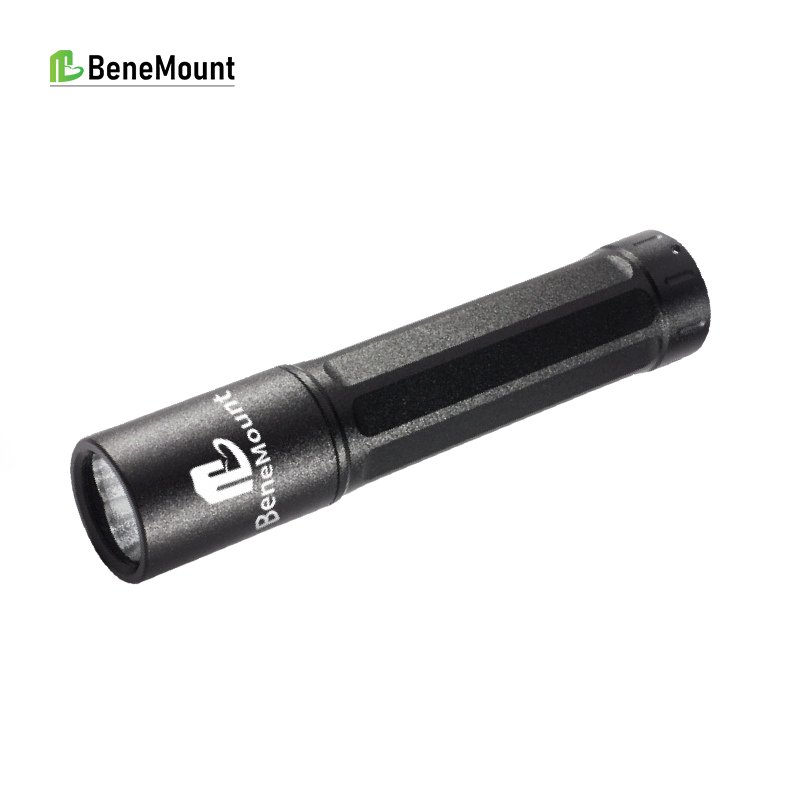
The BeneMount cPLR Red-Blue Light Pupil Reflex Detector can be considered as part of this equipment review. Ask Wise Vision International for current product documentation so your clinical lead can assess its suitability for the proposed workflow.
Frequently asked questions
Can cPLR predict whether cataract surgery will restore vision?
A single pupil test should not be used to promise an outcome. Surgical decisions require the ophthalmologist’s assessment of the individual patient.
Should a clinic advertise this as a complete preoperative test?
Describe the capability accurately as chromatic pupil reflex assessment. Explain its place within the service without implying that it replaces a full examination.
What should purchasing staff send to the supplier?
Send the intended quantity, destination, required documentation, and any questions from the clinical lead. Ask for a written quotation with package and service details.
Discuss a cPLR equipment inquiry with Wise Vision International.
Related cPLR reading
- Chromatic Pupillary Light Reflex in Dogs: A cPLR Guide
- Red vs Blue Light in Veterinary cPLR Testing
- cPLR vs ERG for Veterinary Clinics: How to Compare
- Veterinary cPLR Detector Buying Guide for Importers
Prepared by Wise Vision International for veterinary equipment education and procurement. Clinical interpretation belongs to the treating veterinarian. Product information checked September 16, 2026.