Red vs blue light cPLR testing compares responses under different wavelength conditions; color alone is not enough to interpret the result. Intensity, exposure, adaptation, and the patient’s clinical context also matter. Veterinary buyers should evaluate the documented stimulus settings alongside the instrument’s handling and support.
Why use two colors?
Canine research has used 630 nm red and 480 nm blue stimuli to explore contributions from rod-cone pathways and melanopsin-related responses. In the 2007 study, the blue-light response depended on stimulus intensity, particularly in dogs with SARDS. The finding supports a practical buying question: what exactly does each setting deliver? Source: Grozdanic and colleagues, 2007.
A red-blue instrument should therefore be evaluated as a defined system. Two devices with similar LED colors need not have interchangeable protocols or performance. Ask for documentation that connects the device settings to the intended examination method.
Five specifications worth clarifying
| Specification | Question for the supplier |
|---|---|
| Wavelength | What is the nominal peak wavelength for each color? |
| Output | Which quantity and unit are reported, and at what measurement conditions? |
| Controls | How are color and intensity selected and identified? |
| Protocol | What working distance and exposure instructions apply? |
| Maintenance | How should output consistency and device condition be checked? |
Why units deserve attention
Lumens, candela, and illuminance describe different aspects of light. A bare number cannot establish equivalence between instruments. When comparing quotations, ask suppliers to state the measurement method and conditions rather than arranging products from “brightest” to “weakest” using unmatched specifications.
Record the exact model and document revision in your purchasing file. If two documents disagree, obtain a written clarification before making a technical comparison. This is especially useful when a distributor is preparing translated product materials for another market.
A practical demonstration checklist
- Confirm that the operator can identify the selected mode without ambiguity.
- Check whether the controls can be used comfortably during a professional examination.
- Review the instructions for cleaning, storage, charging, and handling.
- Ask whether measurement or recording is built in or requires a separate workflow.
- Have the clinical lead review the manual before approving the order.
Evaluating the BeneMount option
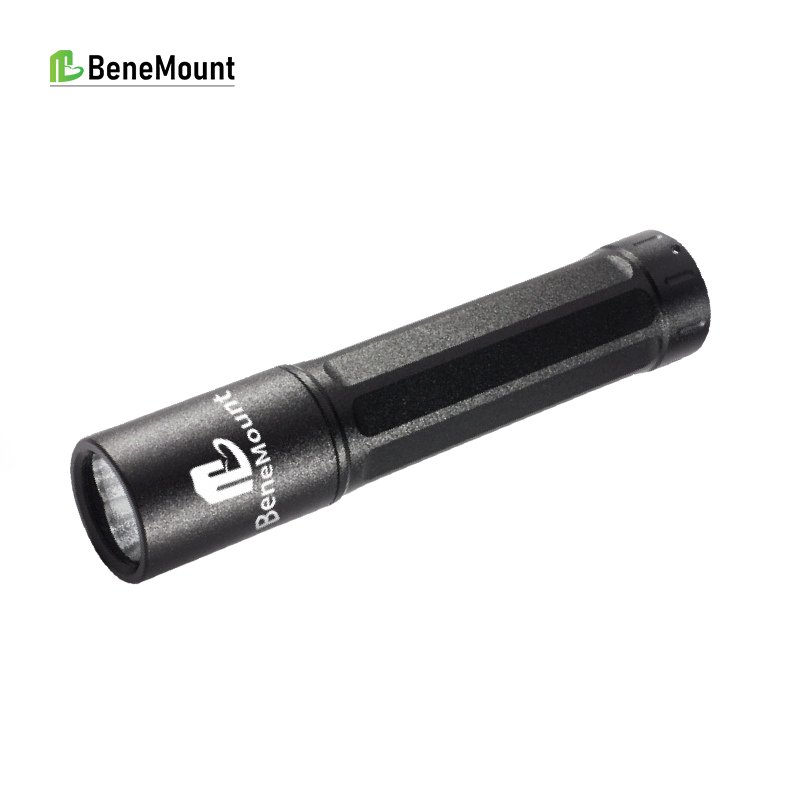
The BeneMount red-blue pupil reflex detector is a product option to review with your clinical team. Request current technical documentation and an operating demonstration from Wise Vision International, especially if your procurement specification requires defined stimulus output or a particular reporting method.
Frequently asked questions
Can a standard colored torch replace a cPLR device?
Do not assume equivalence. A meaningful comparison requires documented optical output and an appropriate examination protocol, not simply a red or blue appearance.
Can published response thresholds be applied to every device?
No. Check the study protocol, equipment, and measurement conditions before considering how research relates to your clinical setup.
Which color is better?
The purpose is to compare responses under defined conditions. Choosing one “better” color misses the reason for a chromatic assessment.
Request BeneMount technical information and include any required output specifications in your inquiry.
Related cPLR reading
- Chromatic Pupillary Light Reflex in Dogs: A cPLR Guide
- cPLR vs ERG for Veterinary Clinics: How to Compare
- cPLR in Canine Cataract Assessment: A Clinic Guide
- Veterinary cPLR Detector Buying Guide for Importers
Prepared by Wise Vision International for veterinary equipment education and procurement. Clinical interpretation belongs to the treating veterinarian. Product information checked September 16, 2026.