Chromatic pupillary light reflex (cPLR) testing compares a dog’s pupil response to different colors of light. It can add information to a veterinary eye examination, but a pupil response alone does not establish normal vision or a complete diagnosis. This guide introduces the test for veterinary teams evaluating equipment and referral workflows.
What does chromatic pupillary light reflex mean?
“Chromatic” refers to color, “pupillary” refers to the pupil, and “light reflex” describes its response to illumination. A cPLR assessment uses controlled colored stimuli rather than relying only on a general examination light. The clinician considers the response together with the patient’s history and other findings.
Research in canine eyes has explored how red and blue stimuli can reveal different response patterns. A 2007 study found that some blind dogs with sudden acquired retinal degeneration syndrome retained a response to sufficiently intense blue light despite an absent red-light response. This demonstrates why pupil constriction should not be equated with sight. Read the original research abstract.
Where does a cPLR detector fit in a clinic?
Think of the instrument as one component of the examination pathway. Before buying, identify who will operate it, who will interpret the findings, and where results will be recorded. A clinic that refers complex cases should also agree on what information its ophthalmology referral partner wants to receive.
- General practice: consider how the test will complement existing examination notes.
- Referral teams: align documentation with the specialist’s preferred workflow.
- Teaching settings: distinguish the observable pupil response from the clinical interpretation.
What should be recorded?
A useful record identifies the eye tested, stimulus color and device setting, ambient conditions, observed response, and relevant medications or examination limitations. Use the current device instructions for working distance, exposure duration, and testing sequence. Consistency makes a later review more useful than a note that simply says “PLR present.”
For a purchasing demonstration, ask the supplier to show the controls and provide the written operating instructions. Do not infer automatic measurement, video recording, or data export from the word “detector”; request confirmation of each function your clinic needs.
BeneMount cPLR: product information
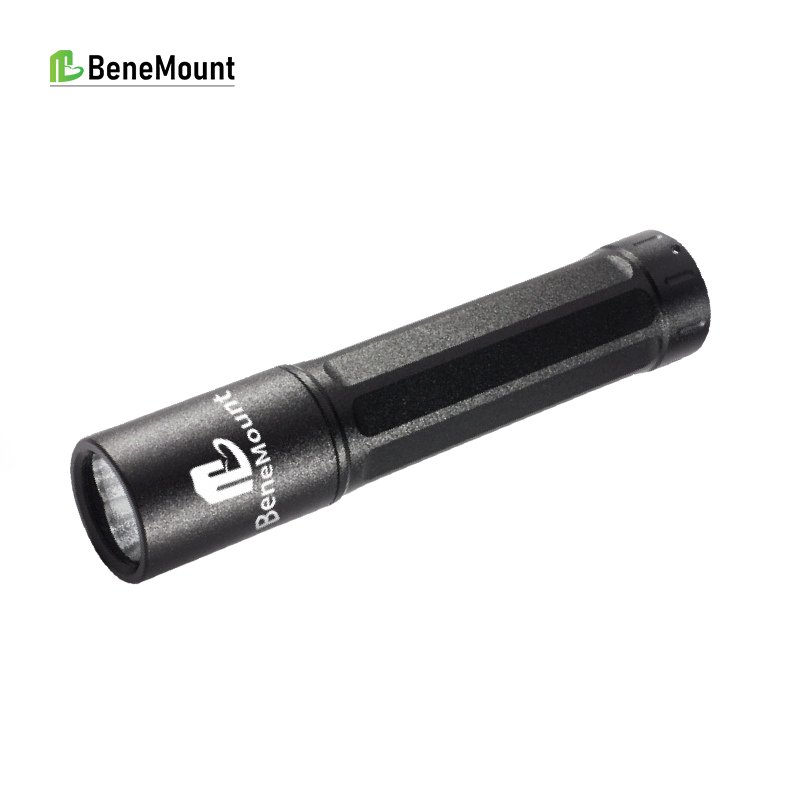
The BeneMount cPLR Red-Blue Light Pupil Reflex Detector is listed by Wise Vision International with 480 nm blue and 630 nm red LEDs. Review the current product page and request the latest manual before finalizing your equipment plan.
Frequently asked questions
Does a normal pupil response prove a dog can see?
No. Reflex observations and functional vision are different questions. A veterinarian must interpret the full examination.
Is cPLR a home diagnostic test?
This guide is intended for professional equipment evaluation. Pet owners concerned about a change in vision should seek veterinary assessment rather than interpret colored-light responses at home.
What should a clinic request before ordering?
Ask for a current quotation, operating manual, package contents, warranty terms, and delivery options for your country.
Plan your clinic’s next step
Contact Wise Vision International with your clinic type, destination country, and intended quantity. These details help frame an equipment inquiry around your actual workflow.
Related cPLR reading
- Red vs Blue Light in Veterinary cPLR Testing
- cPLR vs ERG for Veterinary Clinics: How to Compare
- cPLR in Canine Cataract Assessment: A Clinic Guide
- Veterinary cPLR Detector Buying Guide for Importers
Prepared by Wise Vision International for veterinary equipment education and procurement. Clinical interpretation belongs to the treating veterinarian. Product information checked September 16, 2026.