Understanding Eye Pressure Monitoring in Animals
Glaucoma is one of the most common causes of irreversible blindness in pets. Subtle changes in intraocular pressure often go unnoticed until significant damage occurs. Regular eye pressure monitoring animals allows veterinarians to detect those changes early and begin treatment before vision is lost.
The Science Behind Eye Pressure Monitoring
IOP (intraocular pressure) depends on the balance between aqueous humor production and outflow. When drainage is blocked, pressure rises and the optic nerve becomes compromised. Dogs—especially Beagles and Cocker Spaniels—are at high risk, but cats, horses, and rabbits can develop secondary glaucoma as well.
Why Regular Eye Pressure Monitoring Animals Is Essential
Early Diagnosis Saves Vision
A consistent rise of 5–8 mmHg across visits can indicate early glaucoma even without visible symptoms. Routine measurement helps detect trends long before corneal opacity or pupil dilation occurs.
Comparing Modern Rebound Tonometers
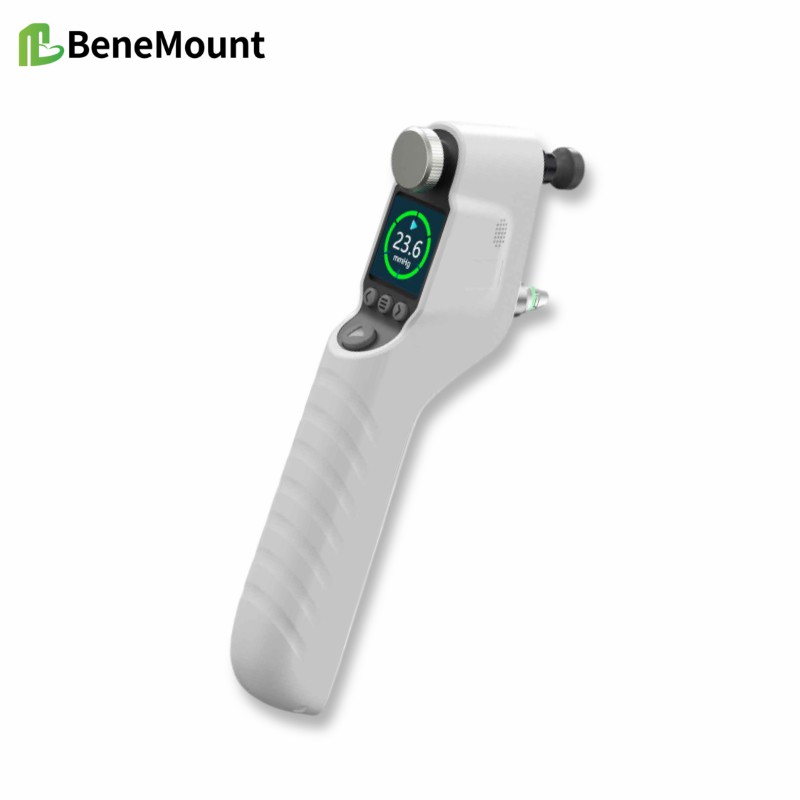
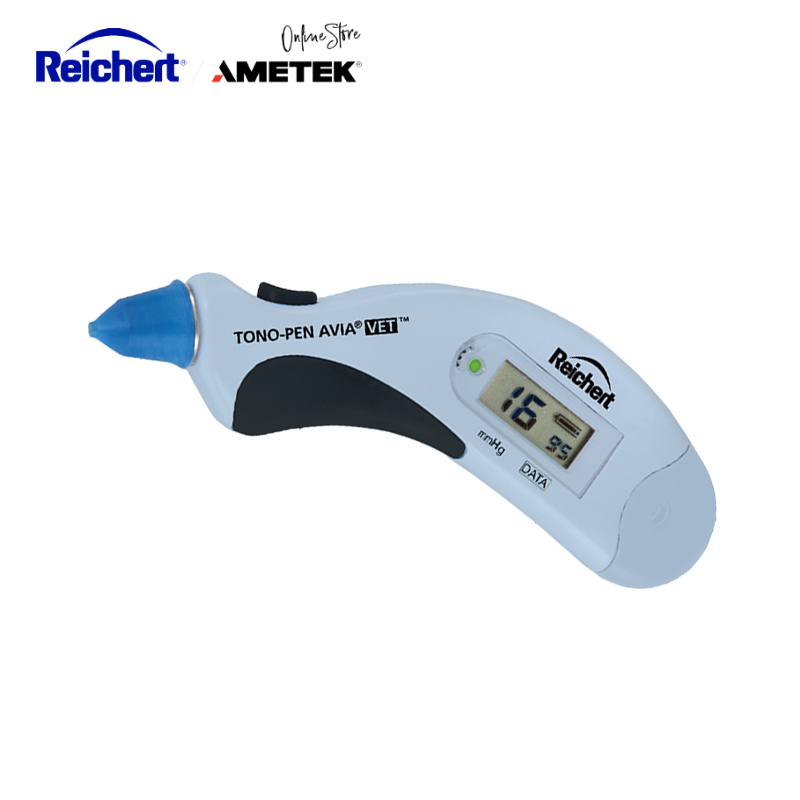
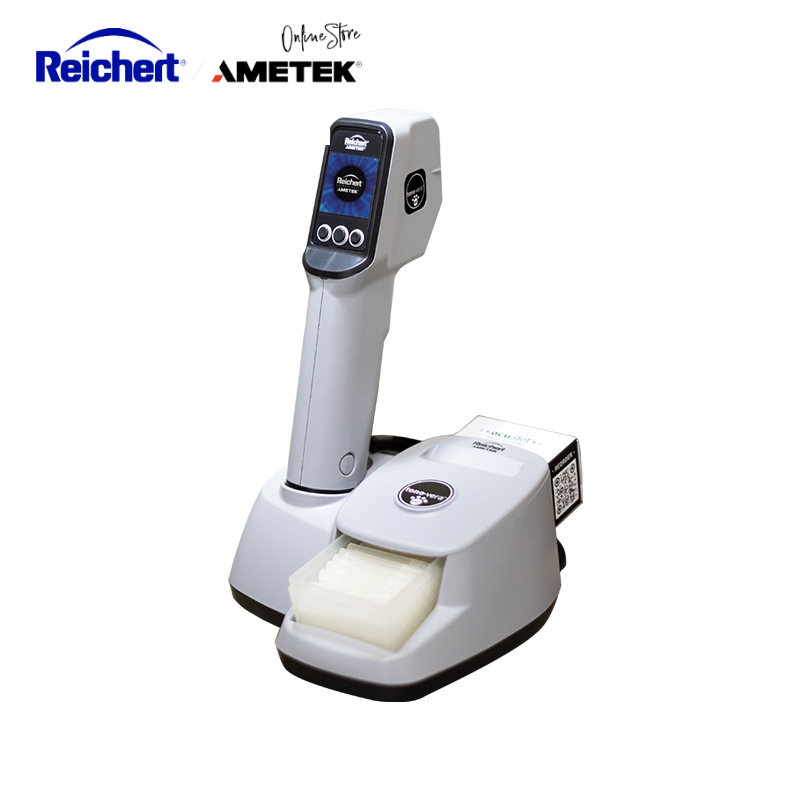
Devices like the iFalcon V100 and iCare® TONOVET Plus make monitoring fast and painless. Both measure corneal rebound velocity, but the iFalcon V100 offers rechargeable power, built-in averaging, and strong calibration stability—ideal for daily use.
Key Difference Highlights
iCare® TONOVET Plus: gold-standard accuracy, multi-button control
iFalcon V100: one-button interface, durable aluminum housing, cost-effective operation
Practical Eye Pressure Monitoring for Daily Practice
Building a Routine for Accuracy
Perform a quick self-check each morning, use new probe tips, and record values consistently. Stable technique ensures that results are comparable across staff and visits.
Recognizing Early Pressure Fluctuations
Compare both eyes during every session; asymmetry of more than 8 mmHg warrants closer inspection. Schedule rechecks every two to four weeks in at-risk breeds.
Helpful Hints
Allow the patient to relax for accurate readings
Maintain consistent light and room conditions
Use the same device each time for reliable comparison
How Rebound Tonometry Supports Eye Pressure Monitoring Animals
Field Applications and Patient Comfort
The portability of rebound tonometers allows reliable testing anywhere—from clinics to barns. Their gentle, anesthesia-free design minimizes stress, making them perfect for cats, horses, and exotic pets.
Client Communication and Preventive Value
When clients witness a calm, painless exam, they better understand the importance of routine monitoring. Visual data and easy explanations increase compliance and support long-term eye health programs.
The Future of Eye Pressure Monitoring in Veterinary Medicine
With technology like the iFalcon V100, early glaucoma detection has become part of everyday veterinary workflow. Consistent eye pressure monitoring animals empowers clinicians to move from reactive treatment to proactive care—saving vision before it’s too late.
Final Tip
Early detection depends on habit, not hardware. When monitoring becomes routine, accuracy and patient outcomes naturally follow.