Understanding Veterinary Tonometry
Accurate veterinary tonometry allows clinicians to detect glaucoma, uveitis, and other eye diseases before irreversible damage occurs. Modern rebound tonometers such as the iFalcon V100 and Icare® TONOVET Plus have simplified the process, making eye-pressure testing fast, gentle, and reliable for multiple species. This FAQ addresses the most common questions veterinarians and technicians ask about tonometry in daily practice.
What Is Veterinary Tonometry and Why Is It Important?
Tonometry is the measurement of intraocular pressure (IOP), the force created by the fluid inside the eye. In animals, abnormal IOP can indicate glaucoma (pressure too high) or uveitis (pressure too low). Routine veterinary tonometry gives early warning of these issues, preventing blindness and guiding treatment decisions.
How Often Should I Check Eye Pressure?
For healthy pets, once or twice yearly during routine wellness exams is sufficient. High-risk breeds—like Cocker Spaniels, Beagles, and Siamese cats—should be tested every 3–6 months. Patients under glaucoma or uveitis treatment may require checks every few weeks.
What Types of Veterinary Tonometry Devices Exist?
Applanation vs. Rebound Technology
Older applanation devices flatten a portion of the cornea to measure resistance. They remain accurate but require anesthesia and perfect alignment. Rebound tonometers—used in most veterinary tonometry today—briefly touch the cornea with a light probe, producing fast, repeatable results without topical anesthetics.
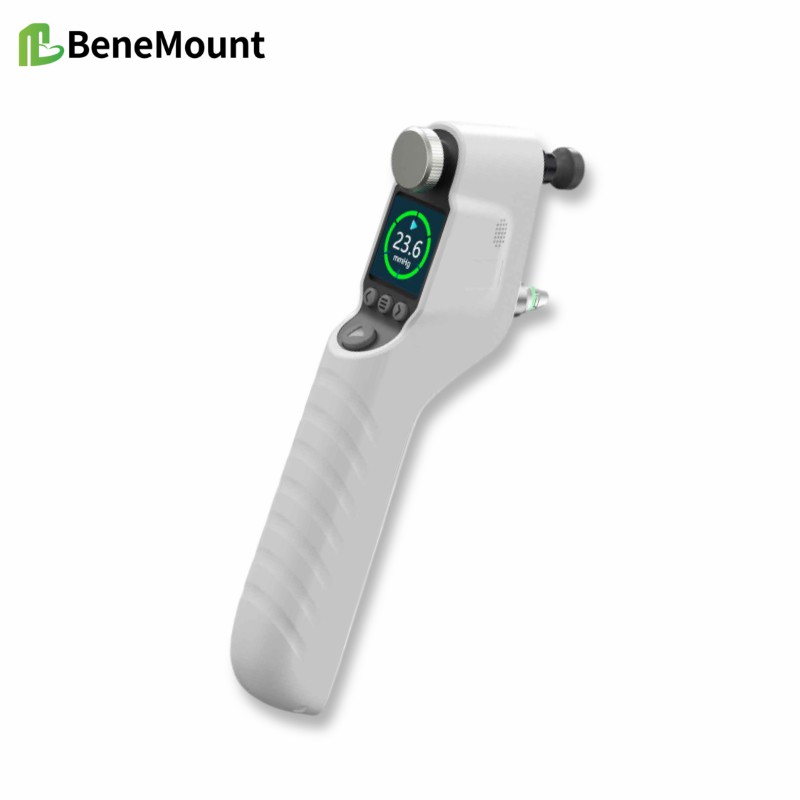
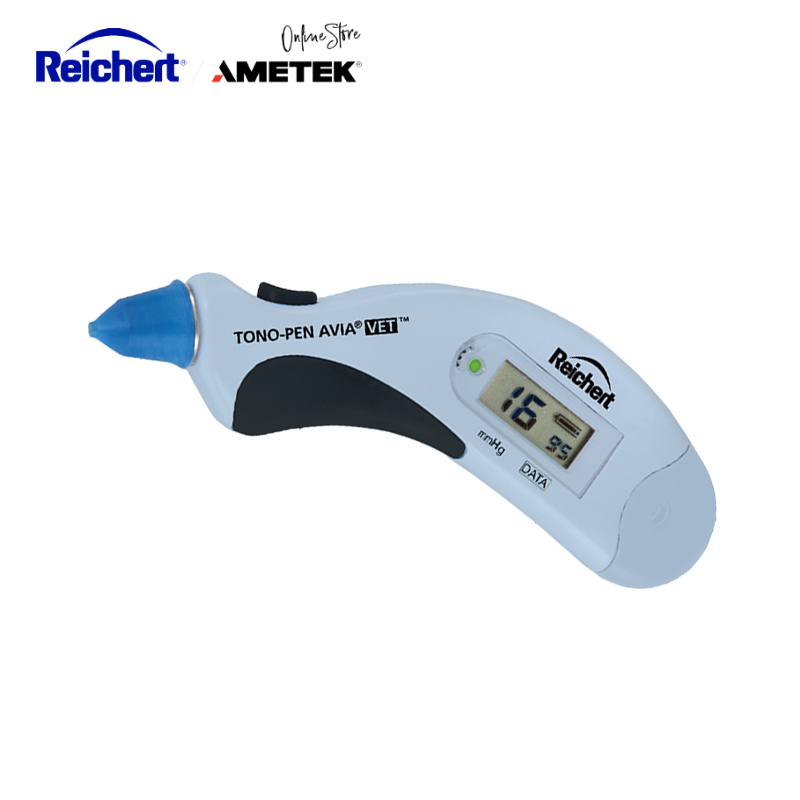
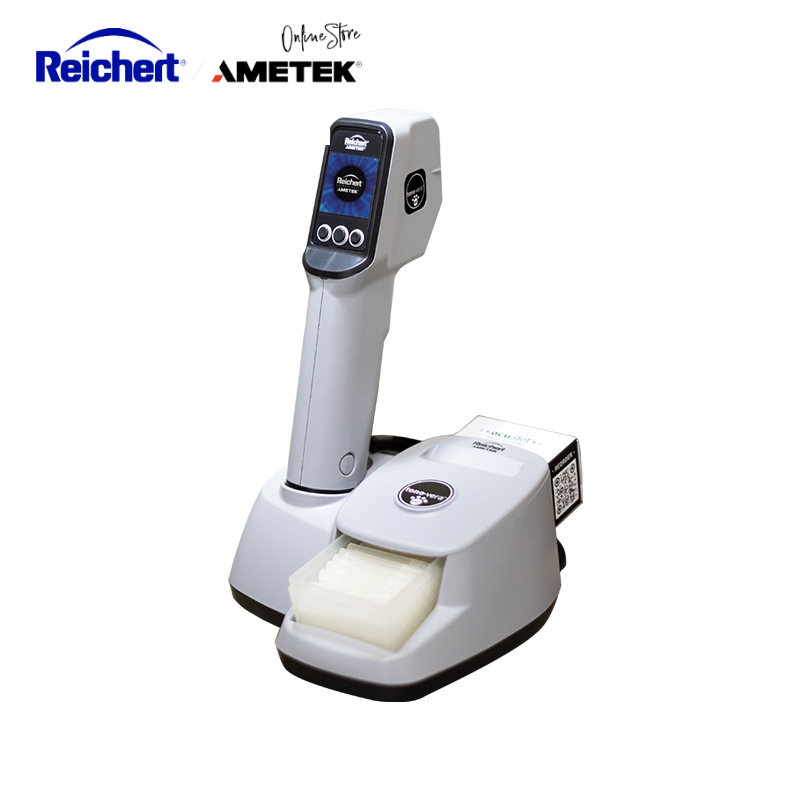
Comparing iFalcon V100 and Icare® TONOVET Plus
Both use rebound technology and measure within ±2 mmHg of each other. The iFalcon V100’s single-button operation and rechargeable battery simplify daily use, while the Icare® device offers multi-button controls and data history for detailed case reviews. Clinics choose based on workflow preference—both are excellent options for accuracy and comfort.
Quick Comparison Highlights
iFalcon V100: lightweight, one-button design, variance monitor
Icare® TONOVET Plus: advanced display, disposable battery system
How Can I Ensure Consistent Veterinary Tonometry Results?
Technique and Positioning
The most common source of error in veterinary tonometry is inconsistent handling. Keep the animal’s head level with the heart and avoid pressing on eyelids or neck. Perform the test in a quiet, dimly lit room to minimize stress-related spikes.
Calibration and Maintenance
Both iFalcon and Icare® models perform automatic self-checks, but a quick verification at the start of each day ensures reliable readings. Replace probe tips between patients and keep the probe base dust-free. Environmental changes—temperature or humidity—can affect readings, so let the device acclimate for a few minutes before testing.
Daily Readiness Checklist
Confirm “ready” indicator
Use clean probe tips
Keep lighting consistent
Does Sedation Affect Tonometry Results?
Yes. Sedatives alter muscle tone, venous return, and aqueous humor production. Alpha-2 agonists like dexmedetomidine lower IOP slightly, while ketamine can raise it. If sedation is needed, record the drug, dosage, and timing in your notes so comparisons remain valid. Whenever possible, measure before sedation for baseline accuracy.
How Do I Explain Tonometry to Pet Owners?
Clear communication helps owners understand why veterinary tonometry matters. Describe it as “a quick, painless test to check eye pressure—just like a thermometer for vision.” Showing the tonometer and demonstrating how gently it works builds trust and encourages preventive care.
When Should Clients Seek Immediate Testing?
If a pet shows signs such as squinting, cloudy eyes, or enlarged pupils, test immediately. These may signal acute glaucoma, which can cause blindness within hours.
Common Mistakes to Avoid in Veterinary Tonometry
Pressing on eyelids or neck during testing
Ignoring calibration warnings
Reusing probe tips
Testing in bright or noisy environments
Forgetting to compare both eyes
Correcting these small issues greatly improves consistency and diagnostic confidence.
Final Takeaway
Modern veterinary tonometry is fast, accurate, and essential for protecting animal vision. Whether using the iFalcon V100 or Icare® TONOVET Plus, careful technique and calibration ensure that every reading is meaningful. By making tonometry part of routine exams, veterinarians can detect eye disease early—and prevent irreversible loss of sight.