The Challenge of Small and Sensitive Eyes
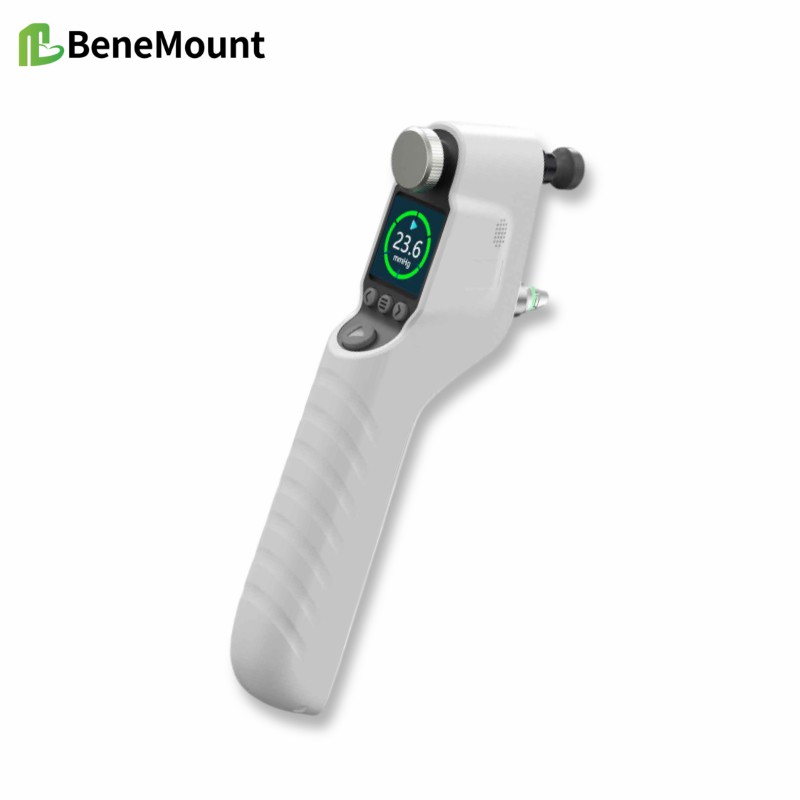
Testing eye pressure in exotic species can feel like balancing precision and patience. Tiny corneas, stress sensitivity, and unpredictable movements make accuracy difficult. To measure IOP pets like birds, rabbits, and reptiles, veterinarians need gentle technique, the right device, and calm handling. Modern rebound tonometers—such as the iFalcon V100—allow fast, comfortable measurements even in species once thought impossible to test reliably.
Understanding Species Differences
Bird eyes have thin corneas and large anterior chambers, while rabbits have thick, convex corneas that reflect more light. Reptiles add another layer of complexity, as scleral ossicles (bony plates) can alter rebound response. For all these species, correct positioning matters more than force. A small angle error or neck pressure can easily distort readings. Keep the head level and maintain a consistent distance from the eye—usually 4–8 mm for rebound tonometers.
IOP in exotics tends to be lower than in dogs or cats:
Rabbits: 15–23 mmHg
Birds: 10–20 mmHg
Reptiles: often under 15 mmHg, though species vary widely
Always use both eyes for comparison, since symmetry is a better indicator of health than absolute numbers.
Choosing the Right Equipment
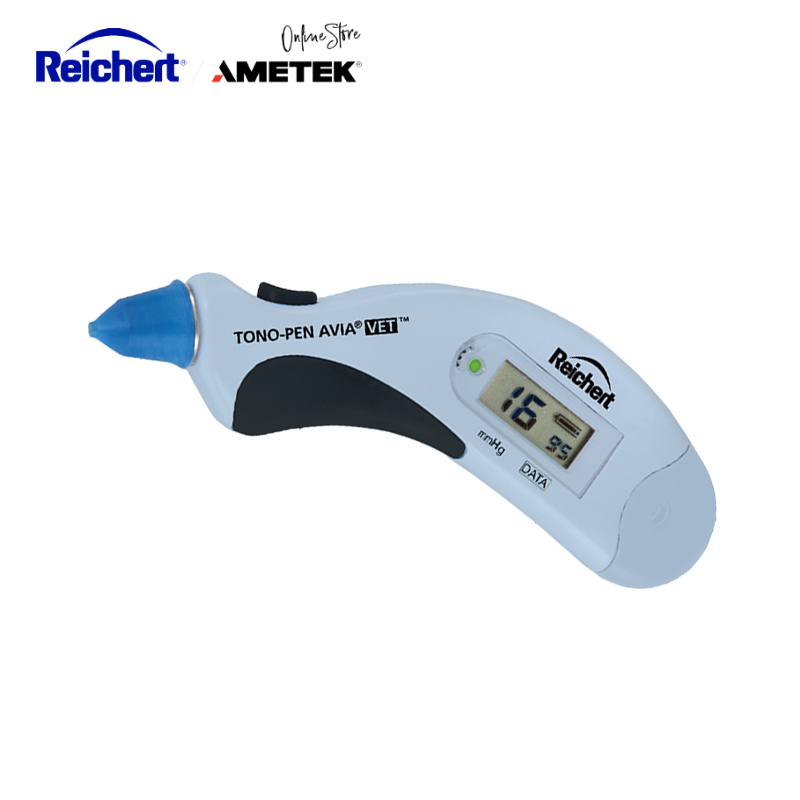
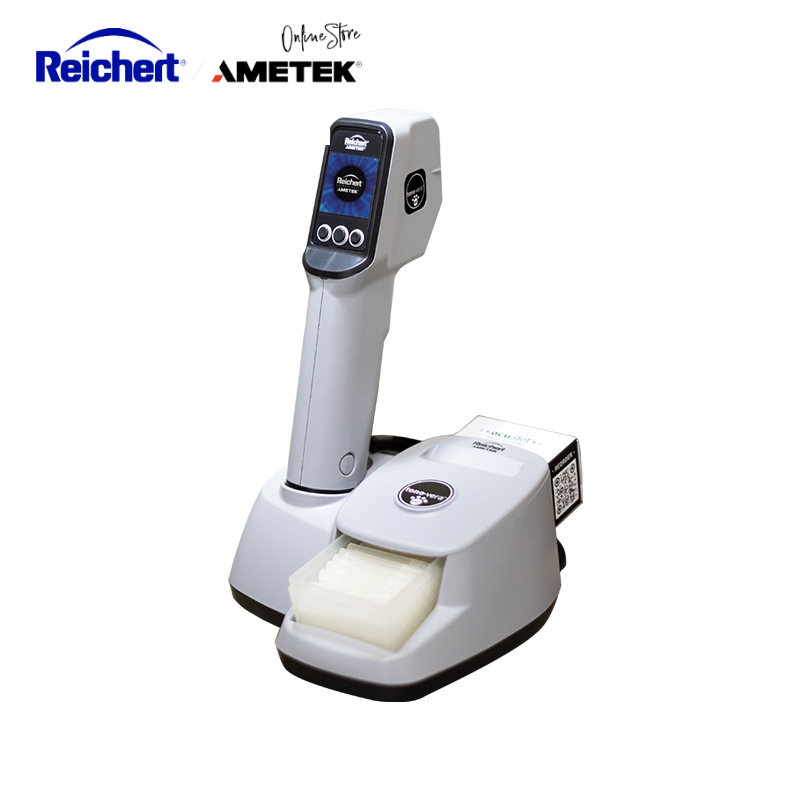
Older applanation devices are not suitable for small exotics; they need a large corneal area and stable positioning. The iCare® TONOVET Plus and the iFalcon V100 rebound tonometers both excel with delicate species, but they differ slightly in handling. The iCare® model is known for high precision in controlled environments, while the iFalcon V100 emphasizes portability and simplicity for field or clinic use.
The V100’s gentle probe, short contact time, and silent operation reduce startle reflexes in birds and rabbits. Its built-in species modes and one-button interface simplify switching between patients, ensuring consistent results even when working with multiple species in a single day.
Handling Techniques for Exotic Patients
Stay Quiet and Slow. Sudden movement increases stress, which elevates IOP temporarily. Work in dim light and avoid overhead shadows.
Support, Don’t Squeeze. Hold birds with minimal restraint, keeping wings tucked but chest free for breathing. For rabbits, avoid scruffing; gently cradle the body with a towel.
Aim Perpendicular. Keep the probe level with the central cornea. Off-axis angles can under- or overestimate readings.
Repeat and Average. Take multiple measurements and rely on the mean value. Large variation suggests movement or misalignment.
Give Recovery Time. Allow the animal to blink and relax between readings; repeated contact in quick succession can fatigue the corneal reflex.
Minimizing Common Errors
High readings often come from stress, compression of the eyelids, or bright light. Low readings, on the other hand, usually mean the tonometer was angled or too far away. Always perform a self-check on the device before each session. The iFalcon V100 automatically verifies calibration and displays a “ready” signal when parameters are stable—helpful for clinics where multiple users share equipment.
Store the tonometer in a padded case, away from humidity and temperature extremes. Field veterinarians appreciate the V100’s aluminum housing, which protects its sensors when working outdoors or at wildlife facilities.
Integrating Eye Pressure Testing into Routine Care
In the past, many exotic patients were referred for ophthalmic exams only after symptoms appeared. Now, handheld rebound tonometers have made early screening feasible during wellness visits. Adding IOP testing to regular checkups helps detect uveitis, corneal ulceration, and systemic conditions that may affect ocular pressure.
Clients are often impressed by how quick and painless the test is. This builds trust and improves follow-up compliance—owners see that their birds or rabbits remain calm throughout the process.
A Small Tool, Big Insight
To measure IOP pets across species successfully, the key lies in gentle handling, repeatable technique, and properly calibrated rebound devices. Tools like the iFalcon V100 give veterinarians the confidence to perform eye exams on even the most delicate eyes. For exotic animal medicine, this accessibility marks a major step forward: precision once limited to specialist clinics is now part of everyday preventive care.