Why Your Tonometry Device for Vets Matters
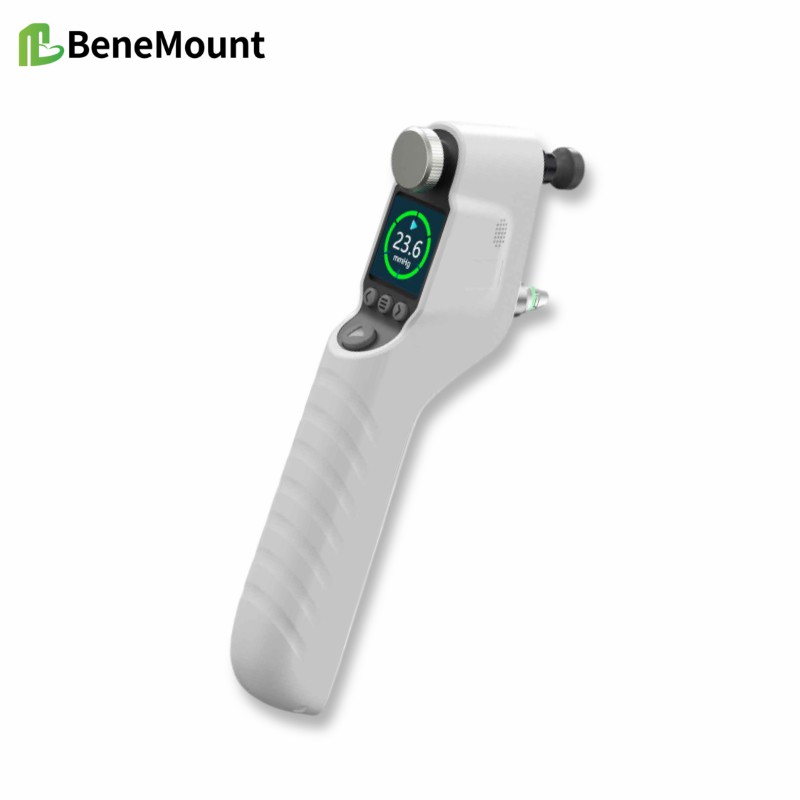
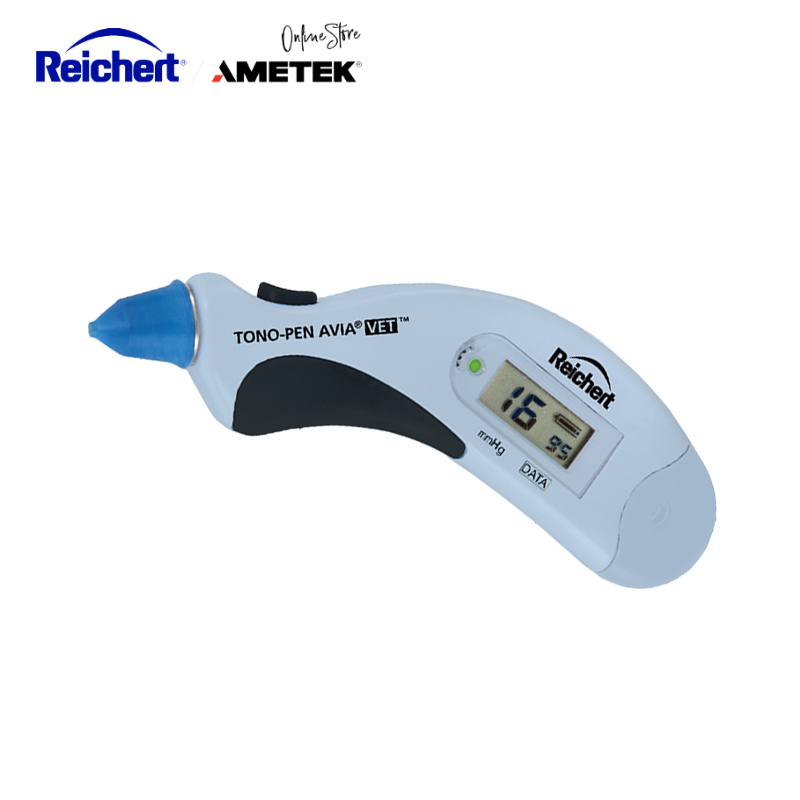
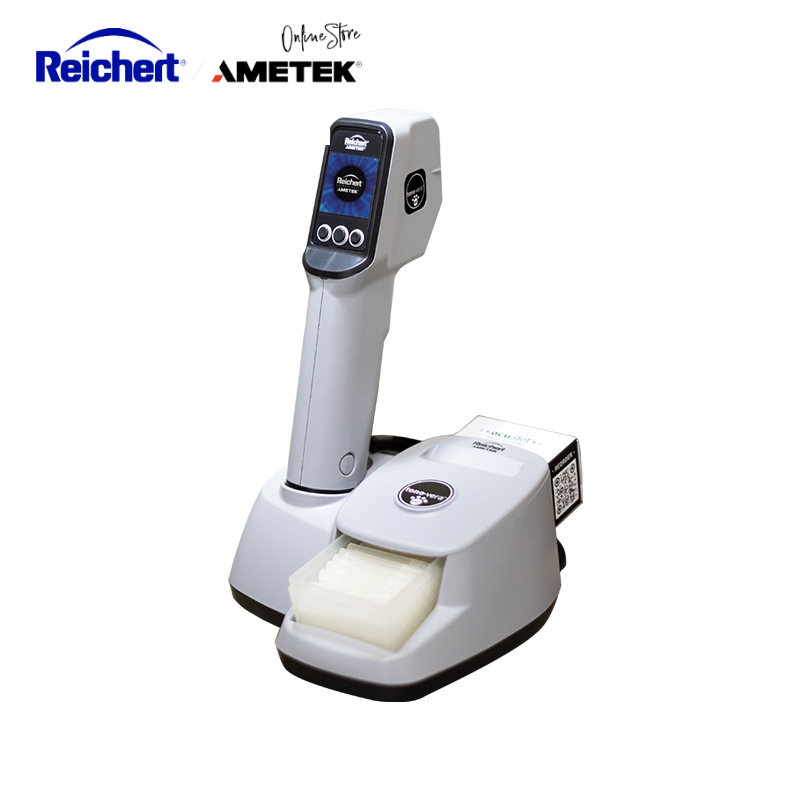
A reliable tonometry device for vets is more than a diagnostic tool—it’s a foundation for early detection of glaucoma, uveitis, and post-surgical complications. When used correctly, it turns routine eye exams into precise preventive care. Modern rebound instruments such as the iFalcon V100 and Icare® TONOVET Plus have made eye-pressure testing faster, easier, and safer across species.
Understanding the Role of Tonometry
Intraocular pressure (IOP) changes often occur before visible symptoms appear. Regular monitoring helps identify subtle increases that may signal early glaucoma or inflammation. Mastering your tonometer’s operation and maintenance ensures those readings are consistent and meaningful.
Setting Up the Tonometry Device for Vets
Preparing for Accurate Measurements
Accuracy starts before the first reading. Check that the exam room is quiet, lighting is soft, and the patient has had time to relax. Stress or neck restraint can raise IOP by several millimeters, leading to false elevation.
Calibration and Self-Testing
Most modern tonometers perform automatic calibration at startup. The iCare® TONOVET Plus requires manual confirmation, while the iFalcon V100 continuously monitors variance and alerts the user when recalibration is needed. This self-correcting system saves time and prevents unnoticed drift.
Quick Pre-Use Routine
Confirm “ready” signal on display
Use a new, sterile probe tip
Verify correct species mode
Maximizing Accuracy in Everyday Veterinary Tonometry
Perfecting Handling Technique
Hold the device perpendicular to the cornea, about 4–8 mm away. Avoid pressing on the eyelids or jugular veins, as this artificially increases pressure. If the variation index exceeds 10%, allow the animal to blink, then repeat the test.
Comparing Eyes for Reliable Results
Measure both eyes during each session. A difference greater than 8 mmHg may indicate localized disease, even when both values fall within the “normal” range. Recording time, posture, and lighting helps ensure repeatability.
Common Handling Errors
Holding the probe at an angle
Ignoring calibration warnings
Reusing probe tips
Maintenance Tips for a Long-Lasting Tonometry Device for Vets
Cleaning and Storage
Regular care keeps readings accurate and extends the device’s life. Wipe the probe base with a lint-free cloth and avoid alcohol on optical parts. The iFalcon V100’s aluminum housing protects internal sensors against temperature fluctuations, making it ideal for field conditions.
Power and Calibration Stability
The iCare® device runs on disposable batteries that can cause voltage drop over time, slightly affecting calibration stability. The iFalcon V100 uses a rechargeable lithium battery with constant output, providing steadier performance during high patient loads.
Storage Checklist
Store upright in a padded case
Keep away from heat and moisture
Run a self-check weekly
Improving Clinical Workflow and Client Trust
Integrating Eye Pressure Testing into Exams
Include IOP screening in every wellness check, particularly for glaucoma-prone breeds like Cocker Spaniels or Beagles. The quick, non-invasive nature of rebound tonometry encourages owners to approve regular testing and follow-up visits.
Communicating Results Effectively
Show clients the reading and explain what it means. Visual data fosters understanding and reinforces the value of preventive eye care. Demonstrating calm, pain-free testing also enhances trust in your clinic’s professionalism.
Expert Insights: Getting the Most from Modern Tools
Using your tonometry device for vets effectively means combining technology with consistency. Both iCare® and iFalcon deliver excellent accuracy, but careful handling and calibration habits make the real difference. By maintaining your instrument properly and developing a steady technique, you ensure reliable results for every patient—day after day.
Final Thought
Technology improves care only when paired with skill. Routine practice and attention to detail transform numbers into insight and prevention.