Why Small Errors Matter
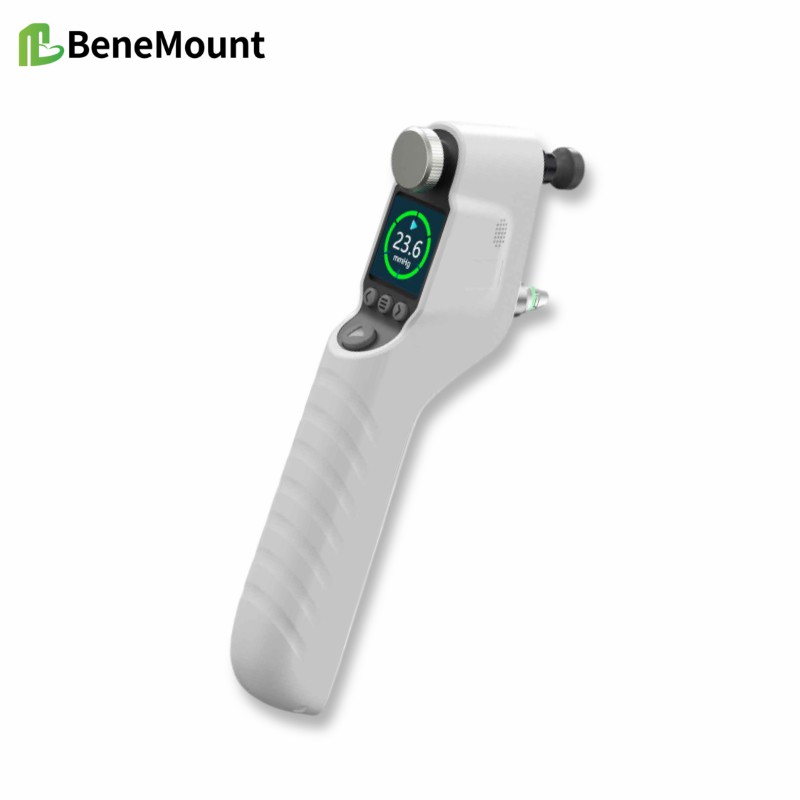
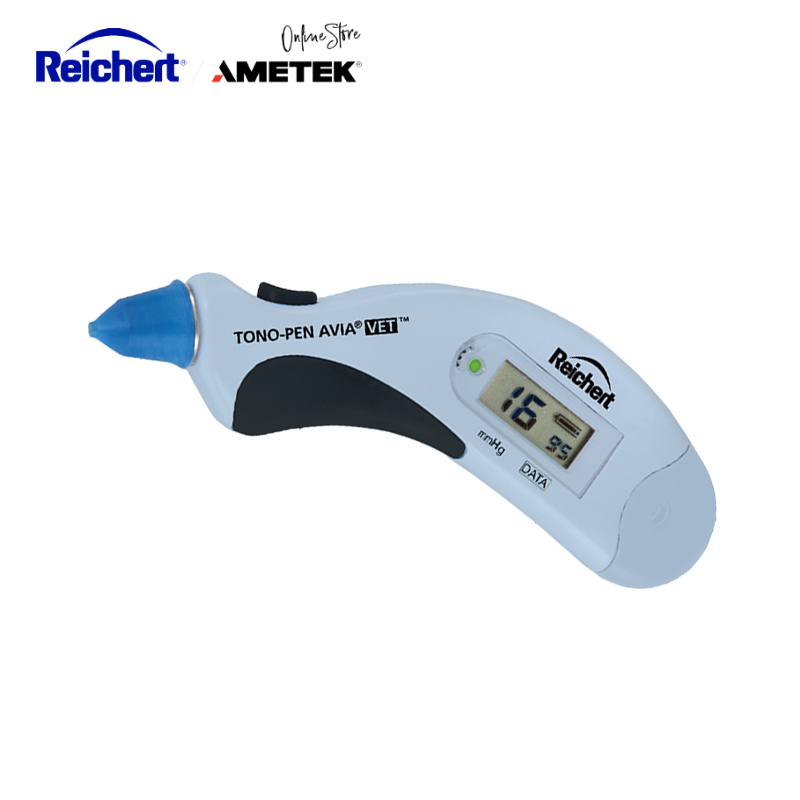
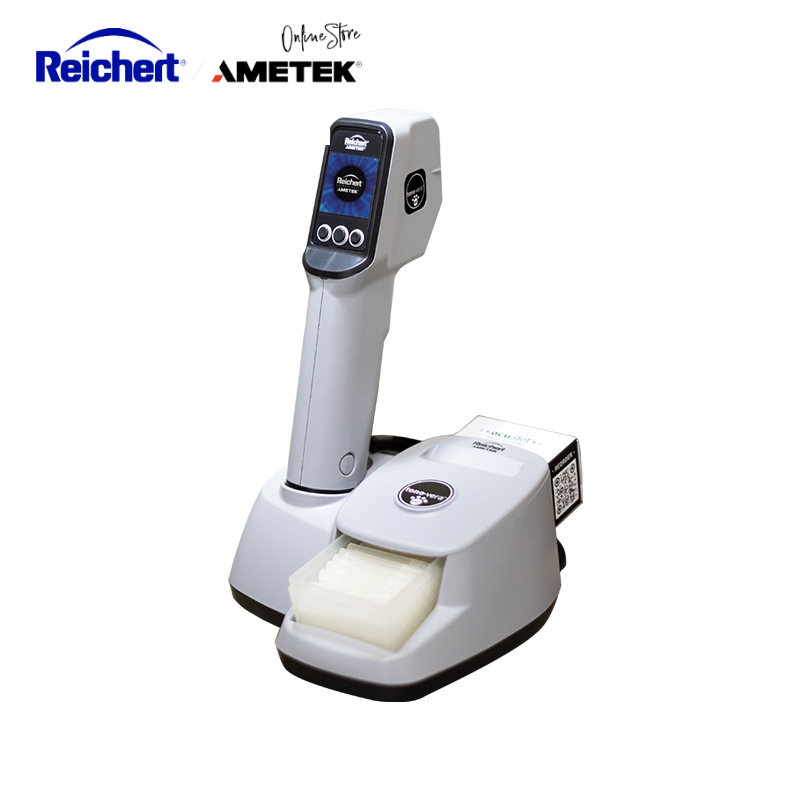
Even the slightest slip in technique can turn an accurate reading into misleading data. A few millimeters of mercury can be the difference between “normal” and “suspect glaucoma.” Understanding the most frequent tonometry mistakes helps veterinarians and technicians improve accuracy, reduce stress for patients, and build confidence in their results. Modern rebound devices like the iFalcon V100 and Icare® TONOVET Plus have simplified the process—but precision still depends on the person holding the instrument.
1. Applying Pressure to the Eyelids or Neck
The most common error is pressing on the eye or jugular veins while stabilizing the head. Even gentle restraint can raise intraocular pressure artificially. Instead, support the skull beneath the jaw and allow the animal’s neck to stay neutral. A proper hold ensures that the reading reflects the eye’s true pressure, not the handler’s grip.
2. Measuring in a Noisy or Bright Environment
Stress increases IOP in nearly every species. If testing takes place under glaring lights or with barking dogs nearby, expect higher numbers. Dim the lights, speak softly, and give the patient time to calm before measuring. Portable rebound tonometers such as the iFalcon V100 perform best in quiet, low-stimulus conditions where animals remain still without sedation.
3. Incorrect Alignment and Distance
For rebound technology, precision depends on angle and spacing. Holding the probe too close or off-center slows rebound speed and underestimates pressure. Most devices work best when kept 4–8 mm from the cornea and perfectly perpendicular. The iFalcon V100’s targeting light and alignment guide make this easier for beginners, whereas the Icare® unit requires more manual steadiness to achieve the same accuracy.
4. Ignoring Calibration Warnings
Skipping self-checks is another major source of error. Every device—whether iCare® or iFalcon—performs an internal calibration at startup. If the screen flashes a warning or the readings differ markedly between eyes, stop and verify calibration before continuing. Ignoring alerts risks a full session of invalid data and unnecessary rechecks later.
5. Reusing Probe Tips
Disposable probe tips are designed for single use. Reusing them saves pennies but compromises results. Dust, fingerprints, or slight bends change the probe’s rebound speed. Always use a fresh sterile tip for every patient, handle it by the base, and avoid touching the contact end.
6. Taking Too Few Readings
Eye pressure can fluctuate with each blink or heartbeat. One measurement never tells the full story. Both iCare® and iFalcon devices automatically average six readings, but users must still watch the variation index. If variation exceeds 10%, repeat the measurement after allowing the animal to relax.
7. Forgetting Environmental Acclimation
Moving a tonometer from a cold car to a warm room can cause temporary drift. Condensation inside sensors affects rebound velocity. Let the device stabilize for a few minutes before use. The iFalcon V100’s sealed aluminum housing reduces this problem, while plastic-bodied models like the Icare® may need extra time to adapt.
8. Failing to Document Conditions
A reading means little without context. Record species, posture, stress level, lighting, and sedation status. Patterns over time are more diagnostic than single numbers. Consistent documentation makes future comparisons accurate and defensible.
How to Turn Mistakes into Mastery
Avoiding tonometry mistakes is not about perfection—it’s about awareness. Developing a calm routine, checking calibration, and observing small details create repeatable accuracy. Devices such as the iFalcon V100 make this easier with visual cues, auto-averaging, and real-time feedback, but every clinician still shapes the outcome through technique and patience.
When tonometry becomes a mindful habit rather than a rushed task, data quality rises—and so does diagnostic confidence.
Final Thoughts
The best technology cannot fix poor habits, but the right habits turn any tool into a reliable partner. By recognizing and correcting these tonometry mistakes, veterinarians ensure that each intraocular pressure reading truly reflects the patient’s eye health. Accurate, consistent results protect vision and build trust—between doctor, device, and patient alike.