The Power of Rebound Tonometry in Veterinary Diagnostics
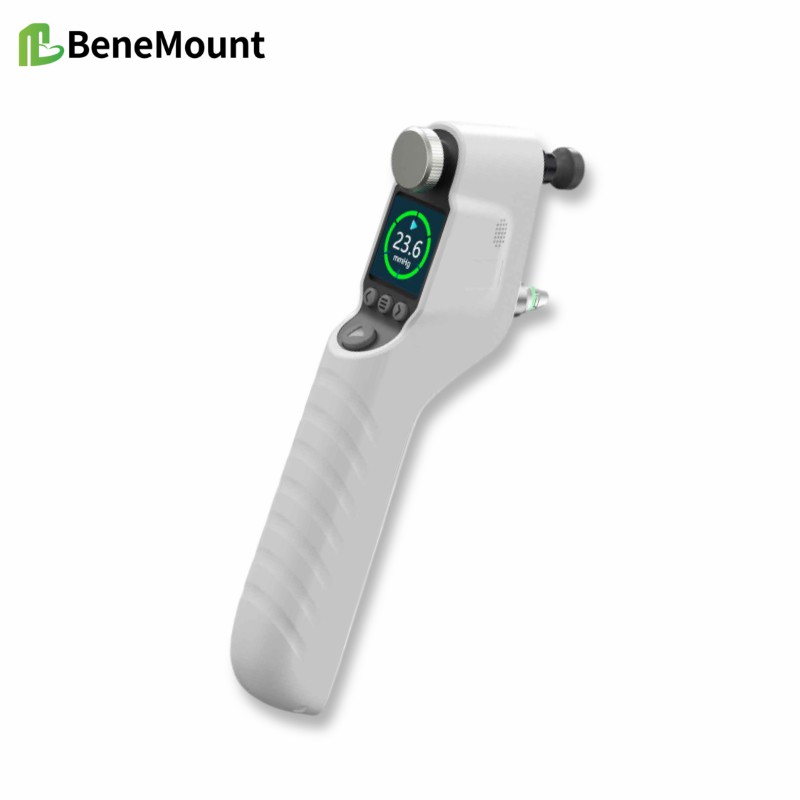
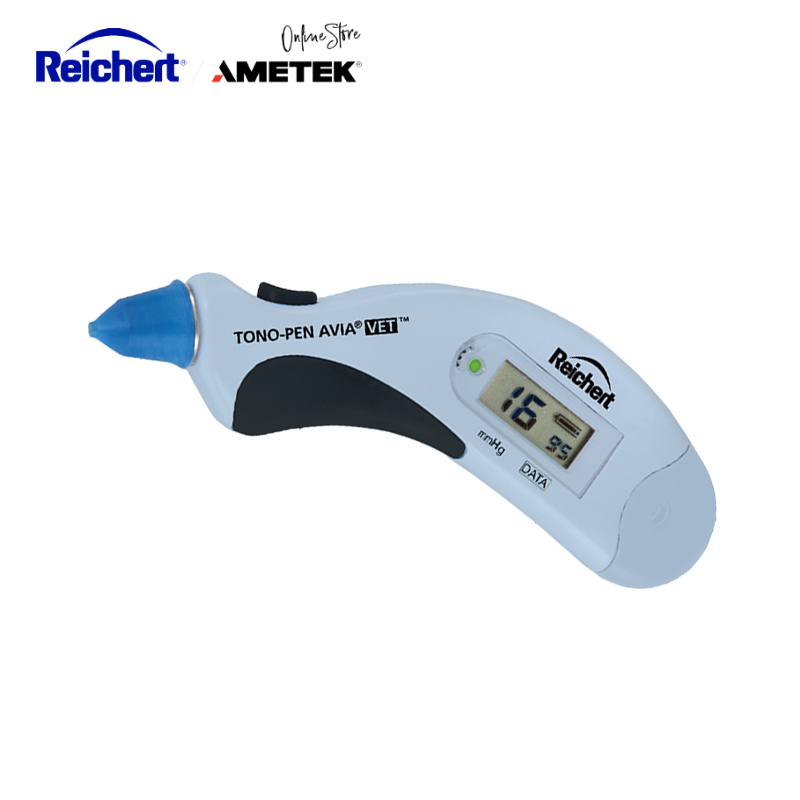
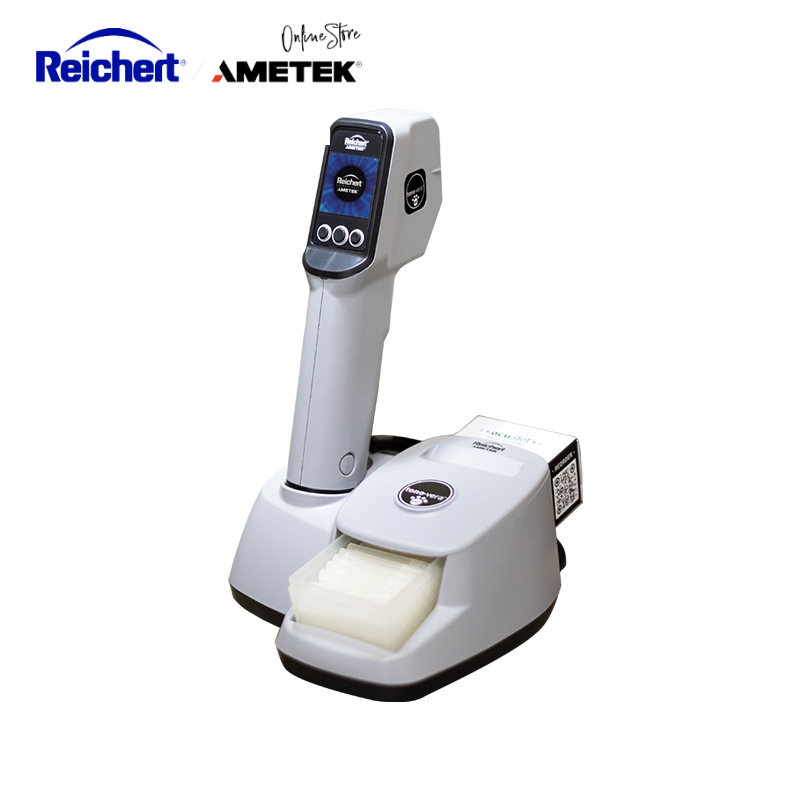
Modern rebound tonometry veterinary practice has transformed how clinicians detect ocular disease. By allowing fast, anesthesia-free measurement of intraocular pressure (IOP), it enables real-time decision-making during eye exams. Devices such as the iFalcon V100 and Icare® TONOVET Plus have made accurate, species-adapted testing possible in both hospitals and field conditions.
Why Case-Based Learning Matters
While tonometry theory is simple, real patients rarely are. Breed differences, stress, and underlying conditions all influence readings. Examining practical cases highlights how rebound tonometry guides diagnosis and treatment.
Case 1: Sudden Blindness in a Dog
Presentation and Initial Assessment
A 7-year-old Cocker Spaniel arrived with cloudy eyes and vision loss. Both corneas were edematous, and pupils sluggish. Using rebound tonometry veterinary methods, the iFalcon V100 recorded pressures of 38 mmHg OD and 36 mmHg OS—well above normal.
Diagnostic Reasoning
Such high, symmetrical IOP confirmed acute bilateral glaucoma. Because rebound devices work without topical anesthesia, readings were obtained quickly despite the patient’s discomfort. Prompt therapy—including topical carbonic anhydrase inhibitors—restored partial vision within 48 hours.
Clinical Lesson
Fast, accurate tonometry shortens decision time in emergencies and improves prognosis.
Case 2: Chronic Tearing in a Cat
Background and Testing Procedure
An 11-year-old domestic shorthair presented with excessive tearing and mild cloudiness. Physical exam suggested uveitis, but confirmation required pressure data. Rebound tonometry veterinary readings showed 7 mmHg OD and 8 mmHg OS—far below the feline average (15–25 mmHg).
Interpretation and Outcome
Low IOP supported the diagnosis of chronic uveitis, likely immune-mediated. The clinician prescribed topical corticosteroids and monitored weekly using the same tonometer for trend consistency. Within one month, pressures normalized, confirming recovery.
Key Takeaway
Rebound tonometry helps distinguish inflammation from early glaucoma, guiding correct therapy.
Case 3: Field Testing a Horse with Head Shyness
Approach in Large-Animal Settings
A 12-year-old gelding resisted handling and head restraint, making applanation testing impractical. With a portable iFalcon V100, rebound tonometry veterinary was performed in the stable aisle under natural light. Measured pressures were 21 mmHg OD and 23 mmHg OS—both within normal equine range.
Clinical Benefit
The horse tolerated the brief contact easily, confirming no need for sedation. The rebound device’s one-button operation allowed safe measurement at arm’s length, ensuring examiner safety and patient comfort.
Lesson for Practitioners
Mobility and tolerance make rebound tonometers indispensable for equine and field ophthalmology.
Common Diagnostic Insights from Rebound Tonometry Veterinary Practice
Establishing Baselines and Trends
Repeated pressure checks help clinicians differentiate transient stress elevations from true pathology. Recording environmental conditions and patient posture ensures consistency. Over time, these records form a diagnostic map for chronic ocular disease.
Integrating Tonometry with Broader Eye Exams
Tonometry results are most valuable when interpreted alongside slit-lamp findings, corneal clarity, and fundic appearance. Rebound tonometry does not replace ophthalmic judgment—it enhances it by quantifying pressure changes objectively.
Clinical Integration Tips
Compare both eyes at each visit
Note sedation status and lighting
Store data digitally for long-term review
Case Reflection: Lessons from the Field
Across species, rebound tonometry veterinary techniques prove reliable, quick, and minimally stressful. They empower veterinarians to detect subtle disease, confirm diagnoses, and monitor treatment responses. Whether diagnosing glaucoma in a dog, uveitis in a cat, or verifying normal IOP in a horse, rebound tonometers deliver data that directly influence outcomes.
When applied thoughtfully, these instruments turn complex cases into manageable clinical decisions—helping preserve vision and improve animal welfare.