Why Veterinary Tonometry Training Builds Confidence
Modern veterinary tonometry training goes beyond learning how to press a button. It’s about understanding ocular anatomy, handling techniques, and patient comfort. A well-trained team not only produces accurate readings but also makes eye exams calm and efficient for animals and clients alike.
The Importance of Skill and Consistency
Intraocular pressure (IOP) changes within seconds when an animal moves or becomes stressed. Accurate measurements depend on technique, environment, and confidence. Training ensures every staff member follows the same approach—minimizing errors and improving trust in the data.
Designing an Effective Veterinary Tonometry Training Program
Step 1: Understanding the Science Behind Eye Pressure
Before picking up the tonometer, your team should review how IOP is produced and regulated. Knowing how aqueous humor flows and drains helps technicians recognize abnormal readings. Linking physiology to veterinary tonometry training makes the process more meaningful and less mechanical.
Step 2: Learning Device Operation and Calibration
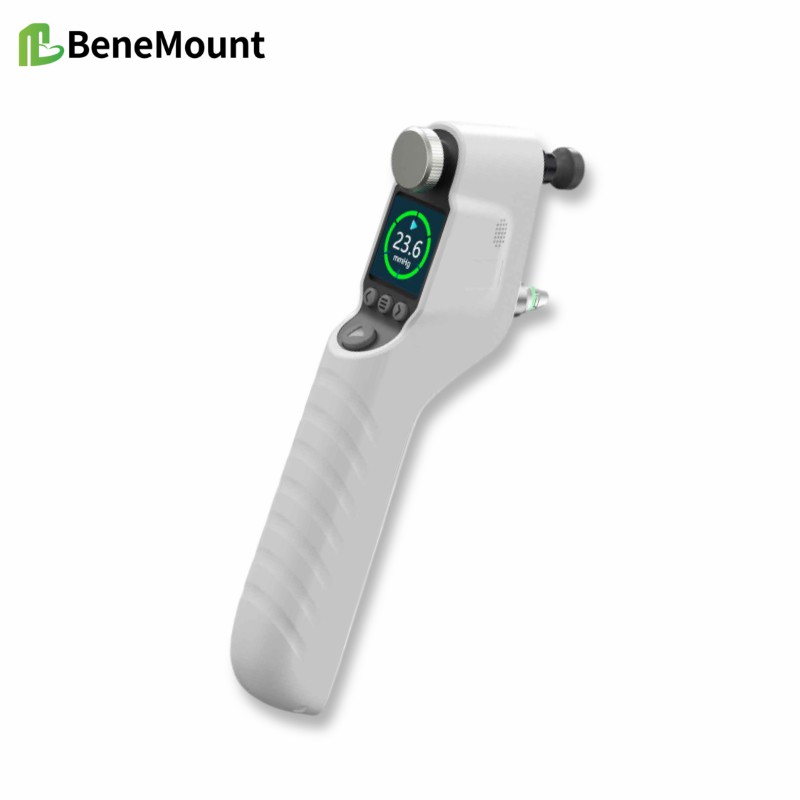
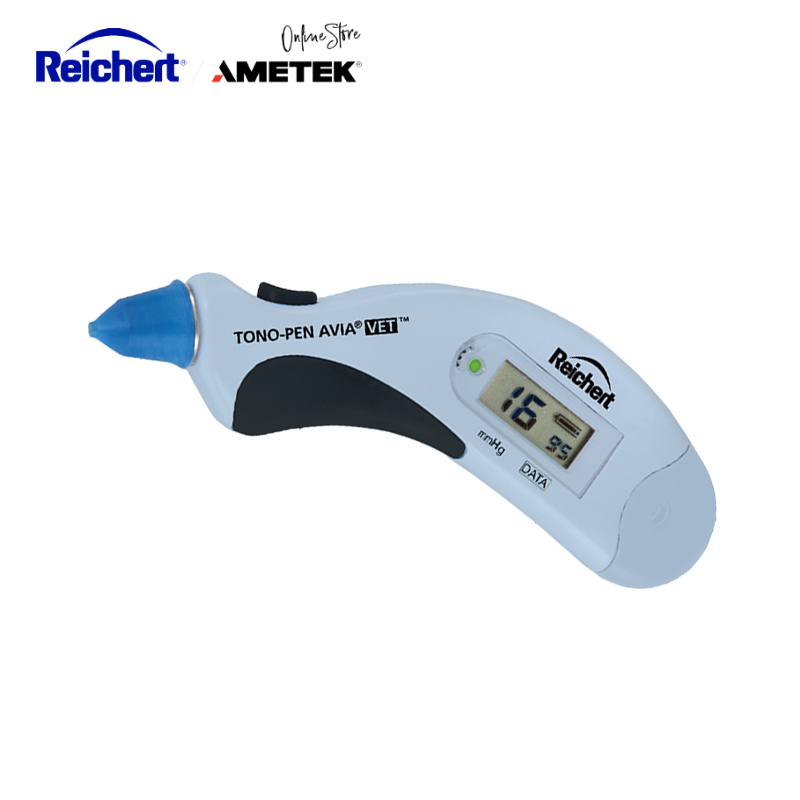
Start with familiarization sessions using devices like the iFalcon V100 and Icare® TONOVET Plus. Both employ rebound technology but differ slightly in interface. Practice turning the device on, checking calibration, and replacing probe tips. Confidence begins with comfort using the tools themselves.
Quick Practice Routine
Power on and perform a self-check
Confirm the “ready” signal
Test probe alignment on model eyes
Teaching Accurate Technique in Veterinary Tonometry Training
Step 3: Patient Positioning and Handling
Body position and restraint influence every measurement. Demonstrate how to keep the patient’s head level and avoid pressure on the eyelids or neck. Encourage calm handling, soft voices, and minimal physical restraint. Role-play common scenarios—excitable cats, nervous dogs, or large horses—to refine technique under different conditions.
Step 4: Performing Consistent Measurements
Have staff take multiple readings from both eyes, watching for variation indicators on the device. If the coefficient of variation exceeds 10%, pause and repeat. Remind trainees that accurate tonometry is about rhythm and patience, not speed.
Handling Tips
Keep lighting soft and stable
Let animals blink between readings
Always compare both eyes
Building Confidence Through Real Cases
Step 5: Applying Skills in Clinical Context
Transition from practice models to real patients. Start with calm animals during wellness exams before moving to high-stress or referral cases. Supervised sessions allow constructive feedback and build genuine confidence in veterinary tonometry training outcomes.
Step 6: Recording and Reviewing Data
Teach staff to document posture, environment, and sedation status alongside each reading. Reviewing data together helps identify trends, outliers, and procedural improvements. Group discussions turn daily testing into shared learning moments.
Reflection Questions
Were conditions calm and consistent?
Were differences between eyes recorded accurately?
Did we adjust technique for species or temperament?
Sustaining Long-Term Veterinary Tonometry Training
Step 7: Refreshing Skills and Updating Knowledge
Schedule refresher sessions every few months. Invite specialists to demonstrate new devices or advanced tonometry methods. Regular updates keep the team motivated and align them with evolving technology.
Step 8: Encouraging Certification and Peer Teaching
Encourage senior technicians to mentor newer staff. Peer learning reinforces best practices and fosters a clinic culture focused on accuracy. Recognition—such as internal certificates for veterinary tonometry training—builds pride and accountability.
Long-Term Culture Goals
Confidence in every reading
Standardized technique across the team
Continuous improvement mindset
The Payoff: Accuracy, Efficiency, and Trust
When your team masters veterinary tonometry training, every eye exam becomes smoother. Accurate readings reduce misdiagnosis, improve treatment plans, and strengthen client trust. Most importantly, your patients benefit from calmer, faster, and more reliable care. Skill builds confidence—and confidence builds better medicine.