Why Calibration Defines Accuracy
Intraocular pressure (IOP) readings mean little without reliable calibration. Even a 2 mmHg drift can mislead a diagnosis or hide the early signs of glaucoma. Consistent veterinary tonometer calibration keeps results trustworthy and comparable from one visit to the next.
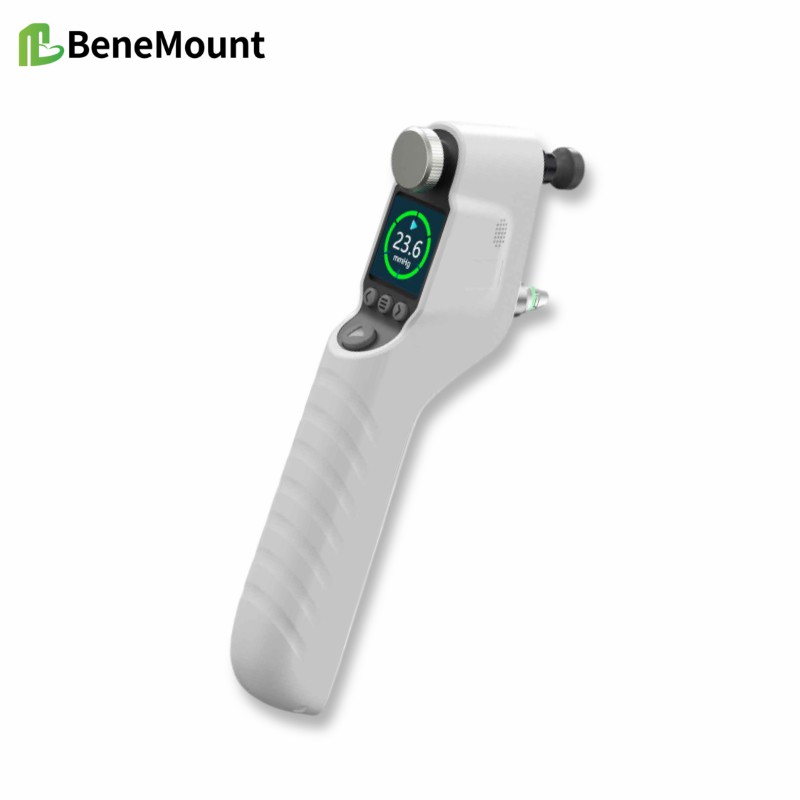
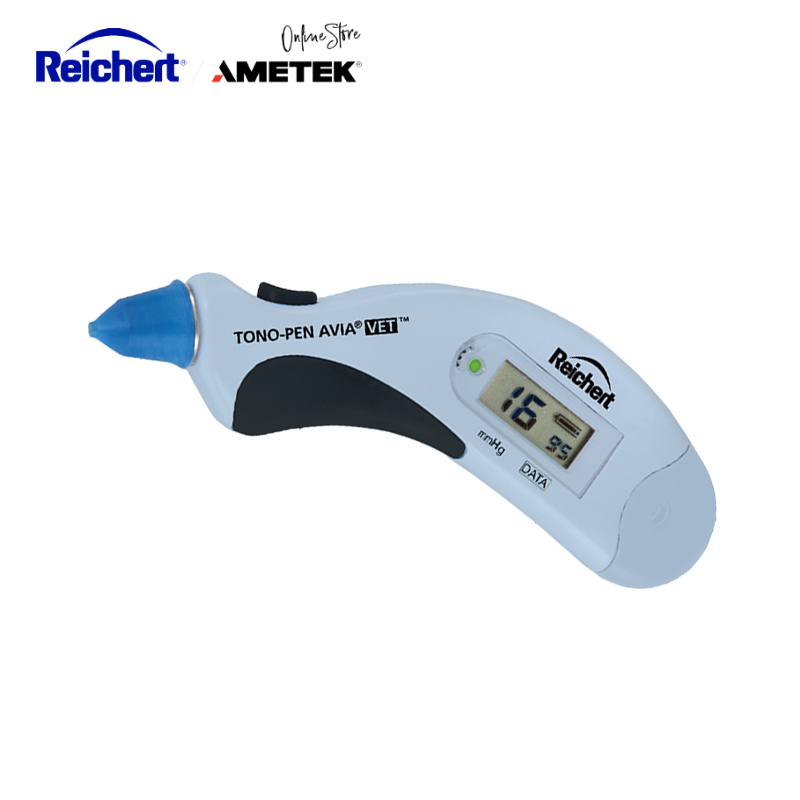
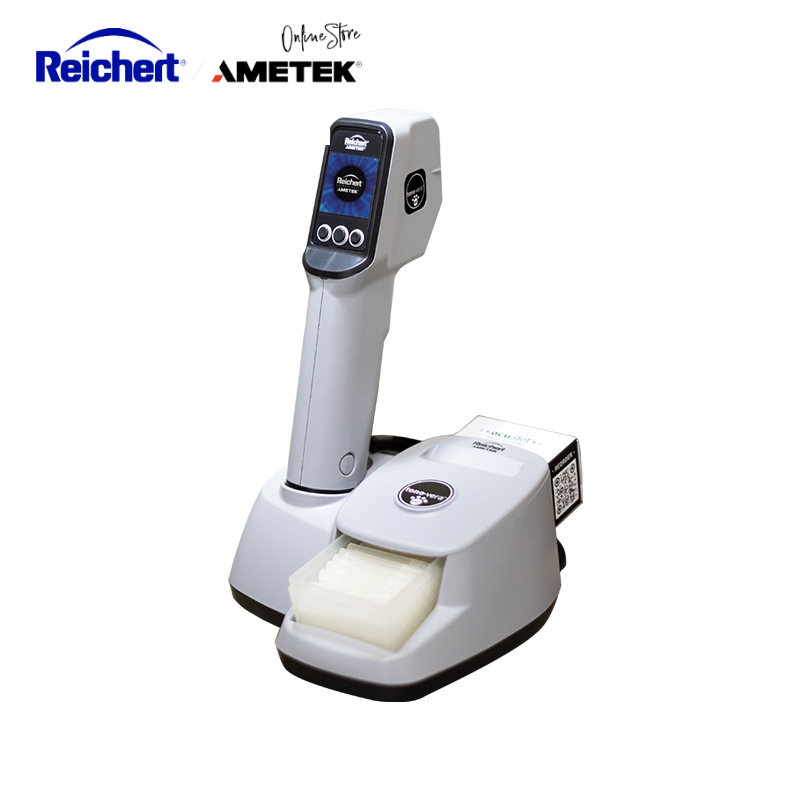
Both the iCare® TONOVET Plus and the iFalcon V100 employ rebound technology—measuring how quickly a light probe bounces off the cornea—but their calibration systems and maintenance routines differ in subtle yet important ways. Understanding these distinctions helps veterinarians keep their devices performing at peak precision.
How Each System Handles Calibration
The iCare® TONOVET Plus uses an automatic self-test at startup to verify probe movement and magnetic coil function. When calibration drifts, the device issues an error message that requires user acknowledgment before continuing. It’s a dependable approach but assumes regular manual verification in clinics that perform frequent exams.
The iFalcon V100, by comparison, adds a built-in variance monitor that tracks readings during use. If the difference between consecutive measurements exceeds preset limits, it prompts an instant retest or recommends recalibration. This continuous self-monitoring reduces the chance of unnoticed drift and allows field veterinarians to maintain accuracy without interrupting workflow.
Clinically, both systems achieve comparable precision—typically within ±2 mmHg when properly maintained—but the V100’s real-time feedback helps detect small inconsistencies before they become significant.
Ease of Maintenance in Daily Work
Calibration is not a one-time event; it’s a habit shaped by design. The iCare® model uses disposable AA batteries, which can weaken voltage stability as power declines, occasionally affecting calibration if not replaced promptly. In contrast, the iFalcon V100 relies on a rechargeable lithium battery that delivers stable output for weeks. Constant voltage means consistent sensor performance and fewer calibration fluctuations.
Cleaning routines also influence long-term accuracy. Both devices require gentle dust removal from the probe base, but the V100’s open-access housing allows easier inspection without tools. Veterinarians who travel appreciate this—especially in equine or farm environments where dust exposure is inevitable.
Field Reliability and Environmental Factors
Temperature and humidity shifts can distort sensor response. The iFalcon V100 is designed with an aluminum shell and sealed electronics to resist condensation when moving from cold barns to warm exam rooms. The plastic-cased Icare® unit performs well indoors but can show temporary variance in extreme climates, requiring a few minutes to stabilize before testing.
For mobile practitioners, those extra minutes matter. The V100’s faster acclimation and automatic self-check help keep fieldwork efficient while preserving calibration integrity.
Recommended Calibration Schedule
Both manufacturers advise professional verification every 6–12 months. However, clinics with heavy tonometry workloads—especially ophthalmology referral centers—may prefer quarterly checks. Between formal calibrations, daily self-tests should always confirm “ready” status before use.
In routine operations, veterinarians can compare readings between eyes or against a reference patient to spot deviations early. A well-trained technician can identify a drifting unit long before it fails a formal calibration test.
Cost and Practical Considerations
Calibration and maintenance affect the lifetime cost of any instrument. Because the iCare® device requires disposable batteries and separate calibration accessories, upkeep tends to be higher over time. The iFalcon V100, with its rechargeable power source and tool-free maintenance design, lowers both cost and downtime.
That difference becomes visible in busy clinics: fewer interruptions, fewer service calls, and a consistent readiness that keeps tonometry available whenever it’s needed.
Building a Routine of Precision
Reliable veterinary tonometer calibration isn’t just a technical detail—it’s a reflection of clinical responsibility. Veterinarians who schedule self-checks, handle their devices carefully, and respond promptly to variance warnings deliver more dependable results to their patients. Whether using an Icare® TONOVET Plus or an iFalcon V100, the goal remains the same: accuracy that endures through every exam.
By combining automated calibration, gentle technique, and regular care, clinics can trust that every pressure reading truly represents the eye’s condition.
Always Ready for the Next Patient
The veterinary tonometer calibration process may seem routine, but it is the quiet backbone of precise ophthalmic care. Between the well-established Icare® and the increasingly popular iFalcon V100, veterinarians now have options that match both their workflow and environment. When calibration is part of daily culture, consistency follows—and accurate data becomes second nature.