In veterinary ophthalmology, choosing the right way to measure intraocular pressure is more than a technical decision—it directly affects patient comfort, diagnostic accuracy, and clinic workflow. The debate between rebound vs applanation tonometer methods has existed for years, yet the needs of today’s veterinary practice are evolving fast.
Rather than asking which is universally “better,” the real question is: which method fits your clinic’s patients, staff, and working environment?
Understanding the Two Methods
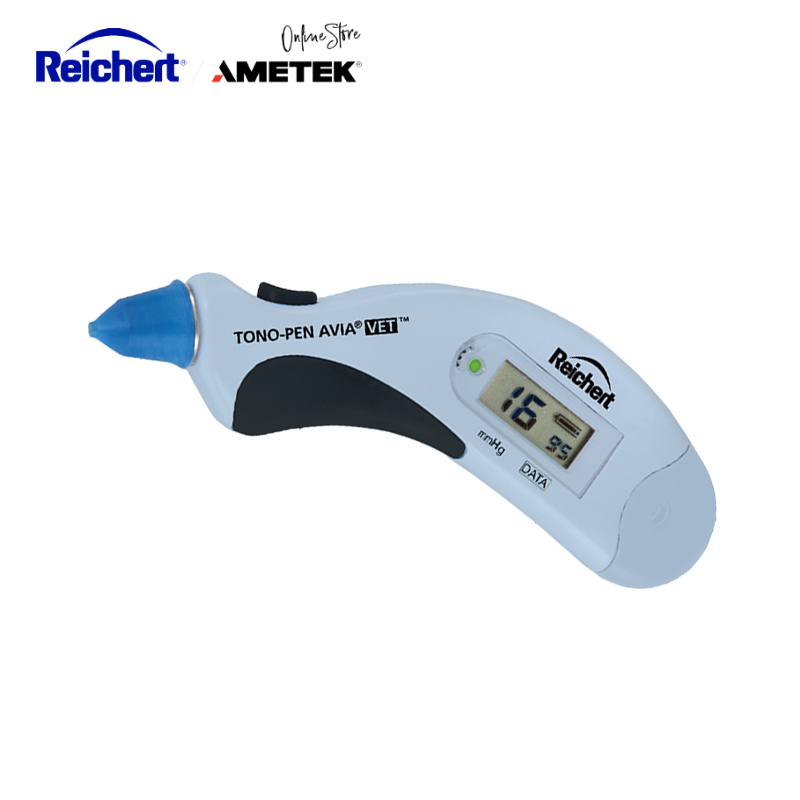
Applanation tonometry has been the traditional gold standard for decades. It measures eye pressure by flattening a small area of the cornea under a controlled force. The result is highly accurate when performed correctly—but the process demands precision, anesthesia, and a cooperative patient. For most dogs and cats, that means extra handling, numbing drops, and patience.
Rebound tonometry, by contrast, works on a simple yet elegant principle. A small, lightweight probe briefly touches the cornea and measures how quickly it bounces back. The faster the rebound, the lower the pressure. This contact lasts only milliseconds and rarely requires anesthetic drops. For many general practitioners, it’s a game-changer: a fast, noninvasive way to get consistent results even from nervous animals.
Clinical Reality: Time and Tolerance
In theory, applanation remains extremely precise. In practice, however, animal patients complicate things. Cats blink, dogs fidget, and horses rarely stand still. Any movement, eyelid pressure, or misalignment introduces error.
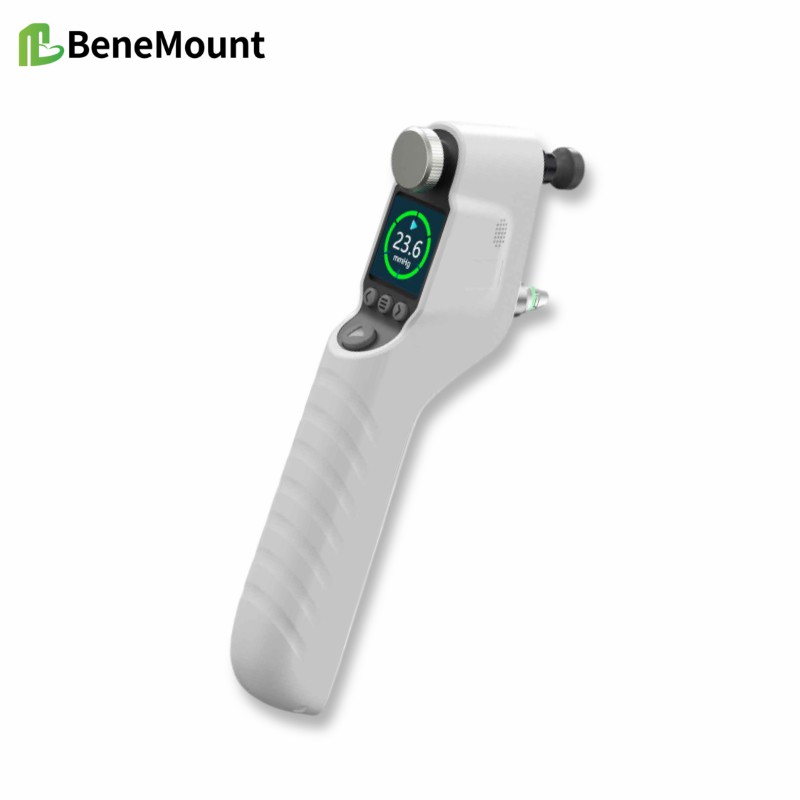
Rebound tonometers, such as the iFalcon V100, thrive in these real-world conditions. Their light probes, automatic averaging, and species-specific calibration compensate for minor movement and corneal variations. A single-button operation and quick results—usually within five seconds—make testing feasible even in busy or mobile clinics.
Veterinarians who see high patient volumes appreciate how rebound devices save time without compromising reliability. The reduced need for anesthetics also makes the exam more comfortable and repeatable for follow-ups.
Accuracy and Consistency
Accuracy depends not only on the method but also on user skill and equipment calibration. Applanation tonometers can deliver excellent results when handled by trained ophthalmologists in controlled environments. However, readings vary between users and require frequent calibration.
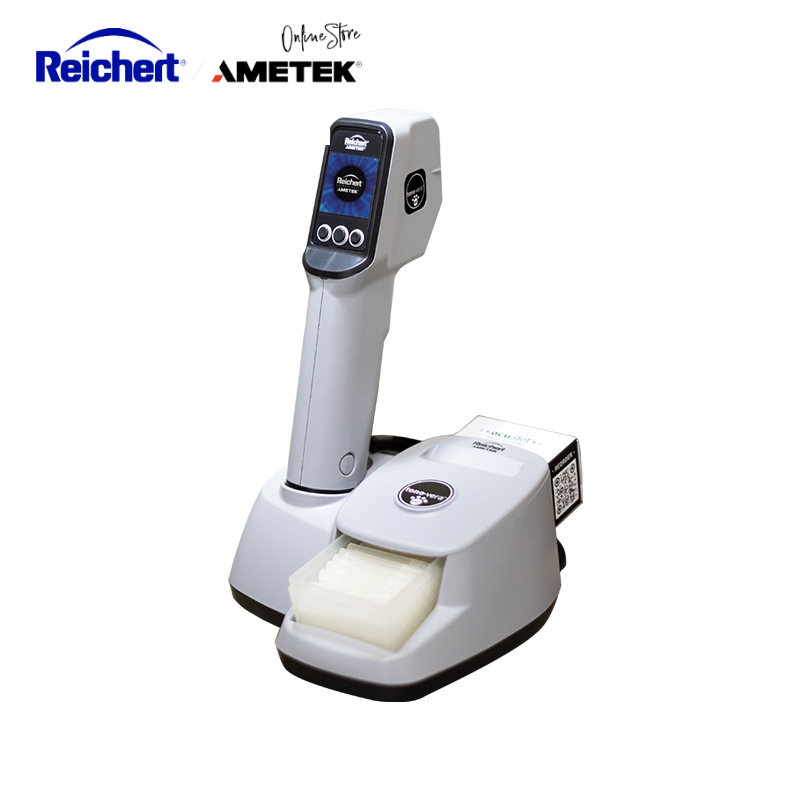
Rebound devices achieve comparable precision with less operator dependency. Studies comparing the iFalcon V100 and the Icare® TONOVET Plus show measurement differences typically within ±2 mmHg—a clinically insignificant range. For routine screening or post-surgical monitoring, this level of consistency is more than sufficient.
Equipment and Cost Considerations
Cost and maintenance often decide what fits best in a clinic. Applanation units are generally more expensive, need tabletop space, and require frequent servicing. Rebound tonometers, by design, are compact, handheld, and battery-powered. The iFalcon V100 uses a rechargeable lithium battery that lasts weeks per charge, whereas some premium models like Icare® still depend on disposable batteries.
When factoring in calibration frequency, replacement tips, and staff training, rebound devices often deliver a lower total cost of ownership while still maintaining diagnostic quality.
Patient Comfort and Workflow
From the patient’s perspective, comfort matters as much as accuracy. Applanation tonometry requires topical anesthetic drops and close alignment, which can stress anxious animals. In contrast, rebound tonometry feels almost imperceptible. Many veterinarians report that even untrained staff can perform reliable readings on calm pets within minutes.
This ease of use not only saves time but also encourages more frequent IOP screening. Regular pressure checks lead to earlier glaucoma detection and improved long-term outcomes.
When Applanation Still Has a Place
That said, applanation tonometers are not obsolete. In research settings or specialized referral hospitals where environmental control and experienced technicians are available, applanation remains valuable. It can be useful for verifying unusual readings or conducting advanced studies where maximum precision is required.
However, for general practice—where speed, flexibility, and patient cooperation are daily challenges—rebound tonometry better suits clinical reality.
A Balanced Perspective
Ultimately, there is no absolute winner in the rebound vs applanation tonometer debate. Each method has its ideal setting. Applanation delivers meticulous accuracy under perfect conditions; rebound offers consistency and comfort in the everyday chaos of veterinary medicine.
For most clinics, the practical choice is clear. A modern rebound device like the iFalcon V100 offers a balance of portability, reliability, and affordability that meets the needs of both general practitioners and specialists. It bridges the gap between precision and practicality—bringing high-level ophthalmic care within reach of every veterinary team.