Introduction
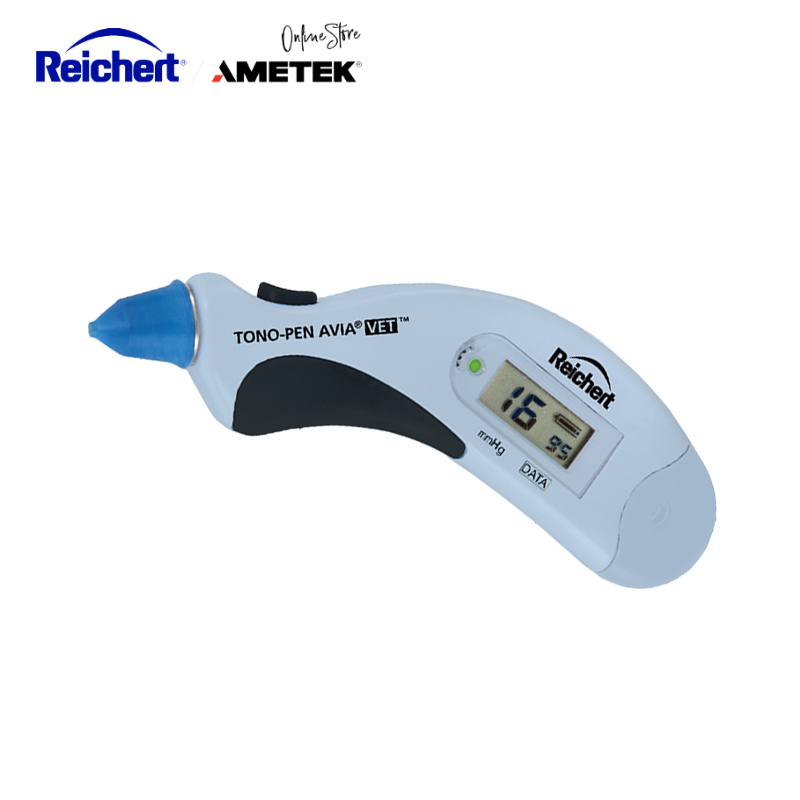
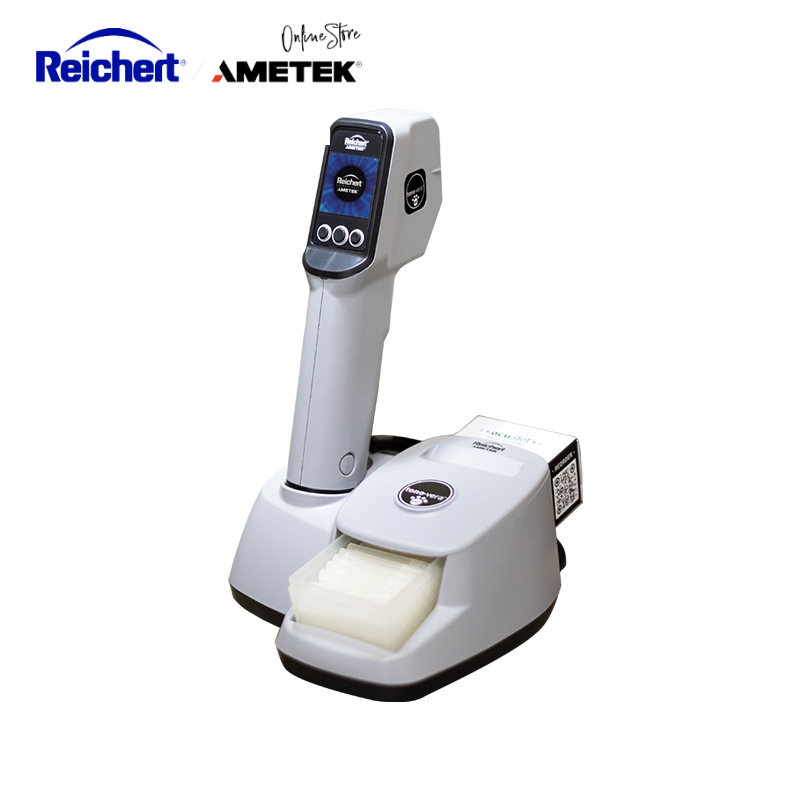
Getting accurate animal eye pressure readings can be challenging. Animals blink, move, and rarely sit still, yet precise intraocular pressure (IOP) measurement is essential for detecting glaucoma, uveitis, and post-surgical complications. Rebound tonometers such as the iFalcon V100 and the Icare® TONOVET Plus have made testing faster and more comfortable, but technique still determines reliability. Here are ten practical tips to help every veterinarian obtain consistent, trustworthy results.
1. Choose the Right Tonometer
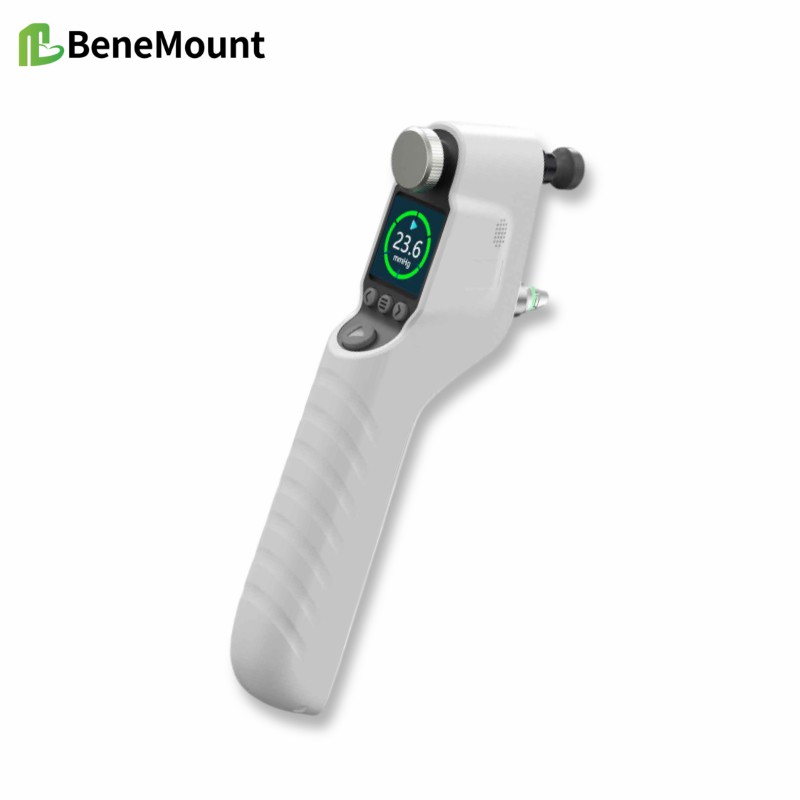
Not all devices suit animal eyes. Veterinary rebound tonometers automatically adjust for species differences and require no anesthetic. Both Icare® and iFalcon V100 use this technology, but the V100 adds a larger screen, rechargeable battery, and built-in memory at a more accessible price—ideal for general practice.
2. Check Calibration Before Each Session
Always confirm calibration before use. Both models self-check, yet the iFalcon V100 displays a clear “ready” indicator and variation index, making it easier to verify stability. Regular calibration ensures that every result you record is truly accurate.
3. Keep the Environment Calm
Stress elevates IOP. Reduce noise, dim the lights, and allow the patient a few minutes to relax. A calmer setting means steadier readings and fewer retests.
4. Avoid Excessive Restraint
Firm restraint compresses neck veins and increases pressure. Support the jaw gently, avoid pressing the eyelids, and keep the neck straight. Both rebound systems record correctly only when natural circulation is maintained.
5. Maintain Proper Position and Distance
Hold the tonometer perpendicular to the cornea at the correct range—about 4–8 mm. The V100’s ergonomic handle helps maintain this distance even with one hand, while the Icare® TONOVET uses a fixed probe guide.
6. Use Clean Probe Tips
Dust or fingerprints change rebound speed. Always use sterile, single-use probes and store them in a dry container. Replacing tips between patients protects results and prevents cross-infection.
7. Take Multiple Measurements
Both Icare® and iFalcon V100 average six readings automatically. If the coefficient of variation is high, pause, allow the animal to blink, and retest. Good data consistency means you can trust the average displayed.
8. Record Species and Context
Species, sedation, and lighting all influence IOP. Dogs typically read 10–25 mmHg, cats 15–25 mmHg, and horses 17–28 mmHg. Note which eye was measured and any medication given to ensure valid comparisons later.
9. Interpret Results with the Clinical Picture
Eye pressure alone is not a diagnosis. Combine tonometry with slit-lamp or fundus findings. A small rise in a painful, red eye may mean glaucoma; a low reading after trauma can indicate uveitis.
10. Maintain and Store Equipment Properly
Clean the tonometer body with a soft, alcohol-free cloth and avoid moisture around the probe port. The iFalcon V100’s rechargeable lithium battery lasts for weeks, while Icare® devices rely on disposable cells. Proper care extends accuracy and service life.
Why Technique Still Matters
Even with advanced tools, human factors remain the biggest source of error. Following these ten steps minimizes variation between visits and users. Rebound tonometers such as the iFalcon V100 provide reliable results comparable to Icare®, but careful handling transforms good technology into precise data.
Conclusion
Eye-pressure testing may look simple, yet accuracy depends on preparation, environment, and consistency. By applying these tips and using modern rebound devices, veterinarians can ensure accurate animal eye pressure readings for every patient—whether in the clinic or the field.